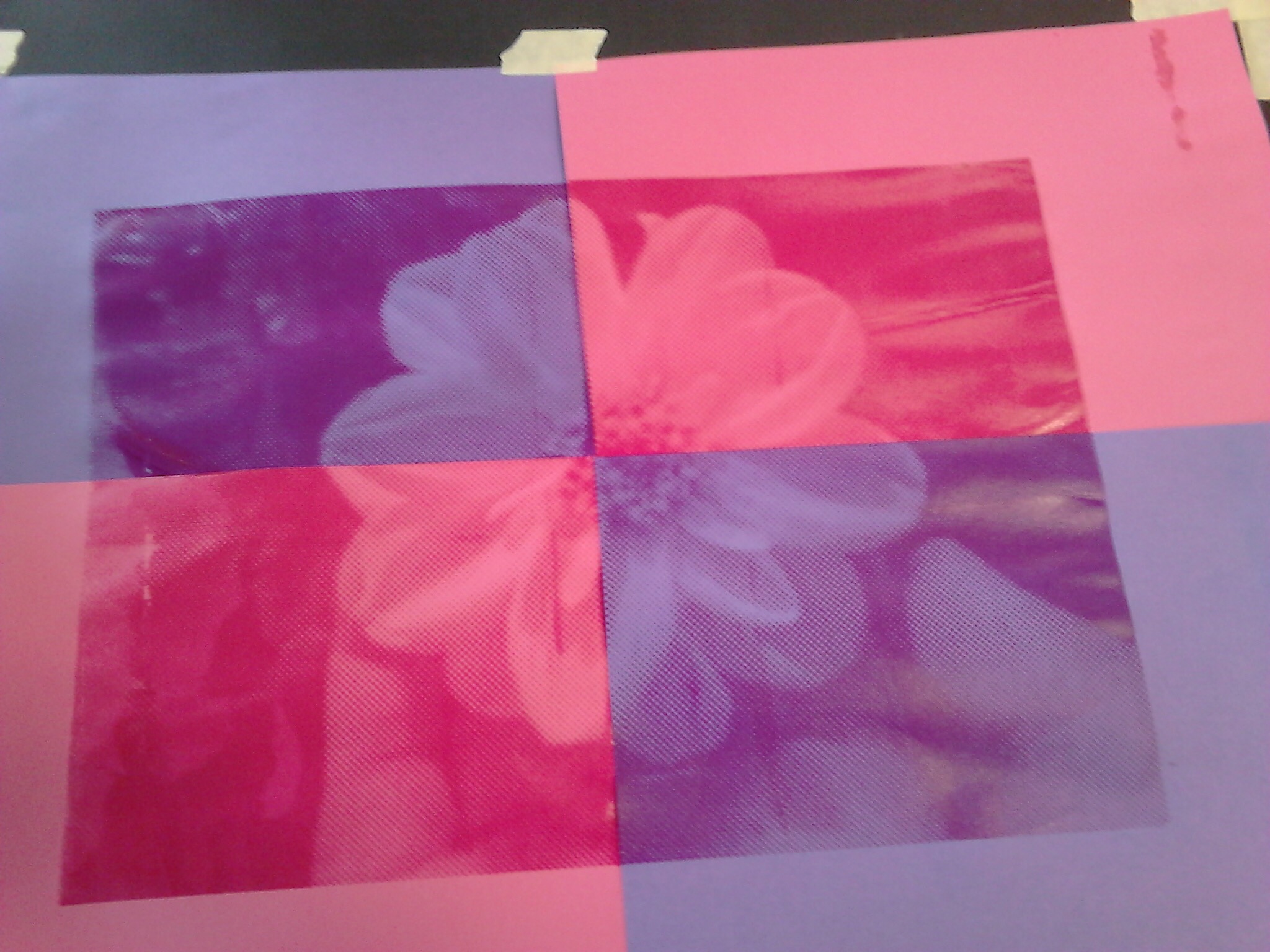
Silkscreen Printing 

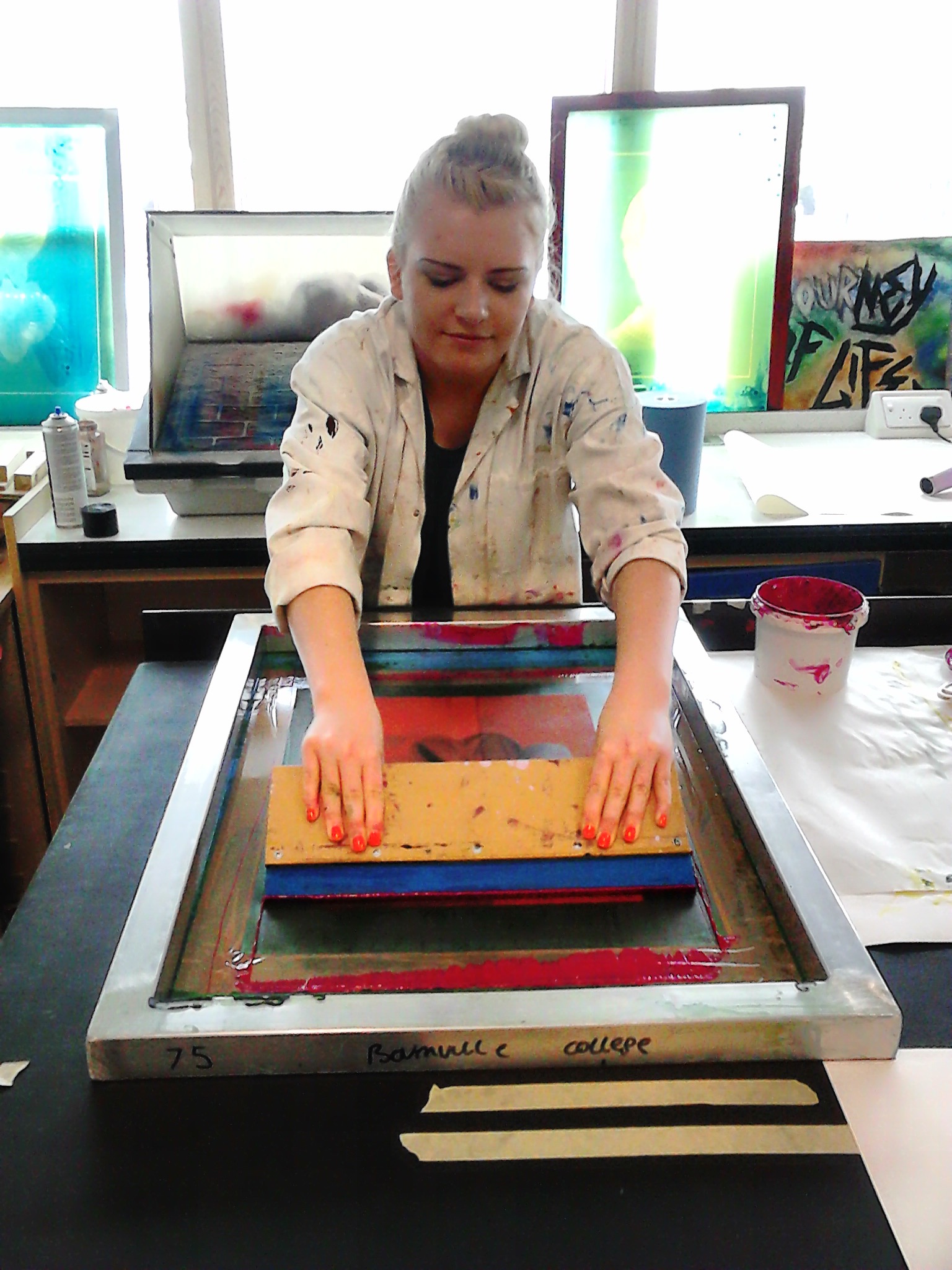
A screen is made of a piece of mesh stretched over a frame. A stencil is formed by blocking off parts of the screen in the negative image of the design to be printed; that is, the open spaces are where the ink will appear on the substrate.

Before printing occurs, the frame and screen must undergo the pre-press process, in which an emulsion is ‘scooped’ across the mesh and the ‘exposure unit’ burns away the unnecessary emulsion leaving behind a clean area in the mesh with the identical shape as the desired image. The surface to be printed (commonly referred to as a pallet) is coated with a wide ‘pallet tape’. This serves to protect the ‘pallet’ from any unwanted ink leaking through the screen and potentially staining the ‘pallet’ or transferring unwanted ink onto the next substrate. Next, the screen and frame are lined with a tape. The type of tape used in for this purpose often depends upon the ink that is to be printed onto the substrate. These aggressive tapes are generally used for UV and water-based inks due to the inks’ lower viscosities. The last process in the ‘pre-press’ is blocking out any unwanted ‘pin-holes’ in the emulsion. If these holes are left in the emulsion, the ink will continue through and leave unwanted marks. To block out these holes, materials such as tapes, speciality emulsions and ‘block-out pens’ may be used effectively.

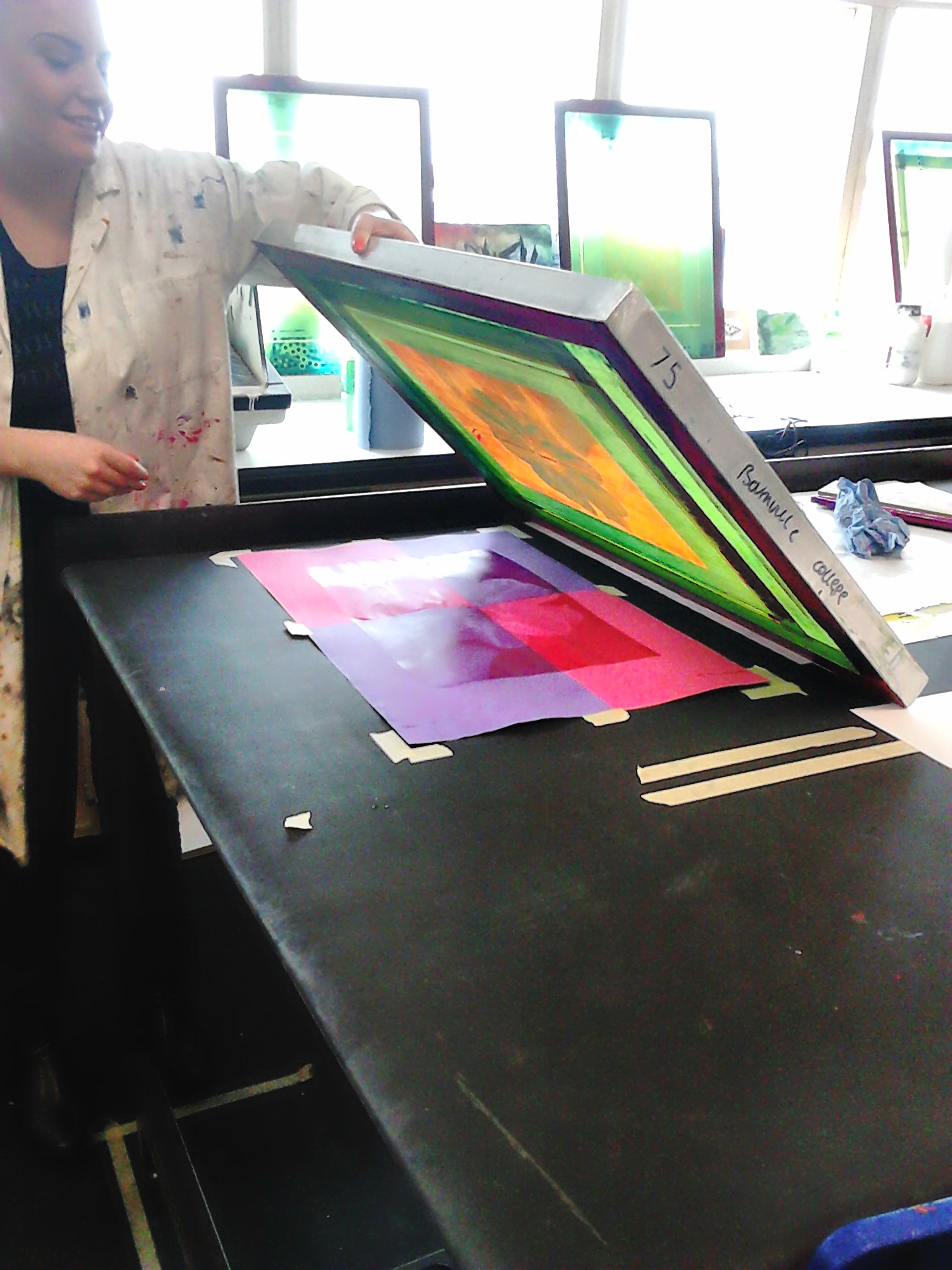
The screen is placed atop a substrate. Ink is placed on top of the screen, and a floodbar is used to push the ink through the holes in the mesh. The operator begins with the fill bar at the rear of the screen and behind a reservoir of ink. The operator lifts the screen to prevent contact with the substrate and then using a slight amount of downward force pulls the fill bar to the front of the screen. This effectively fills the mesh openings with ink and moves the ink reservoir to the front of the screen. The operator then uses a squeegee (rubber blade) to move the mesh down to the substrate and pushes the squeegee to the rear of the screen. The ink that is in the mesh opening is pumped or squeezed by capillary action to the substrate in a controlled and prescribed amount, i.e. the wet ink deposit is proportional to the thickness of the mesh and or stencil. As the squeegee moves toward the rear of the screen the tension of the mesh pulls the mesh up away from the substrate (called snap-off) leaving the ink upon the substrate surface.


Tara Books visits Worcesters Hive

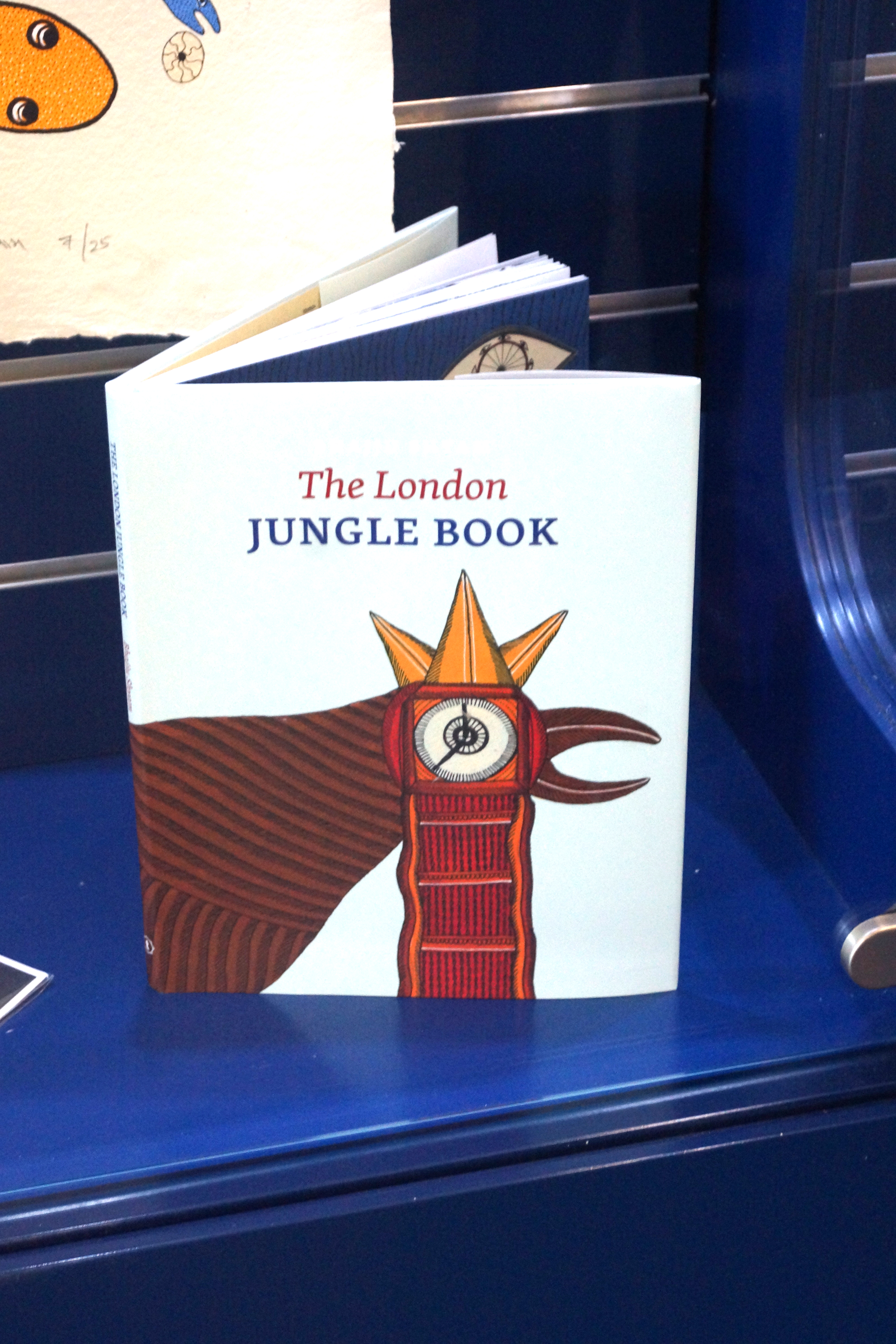
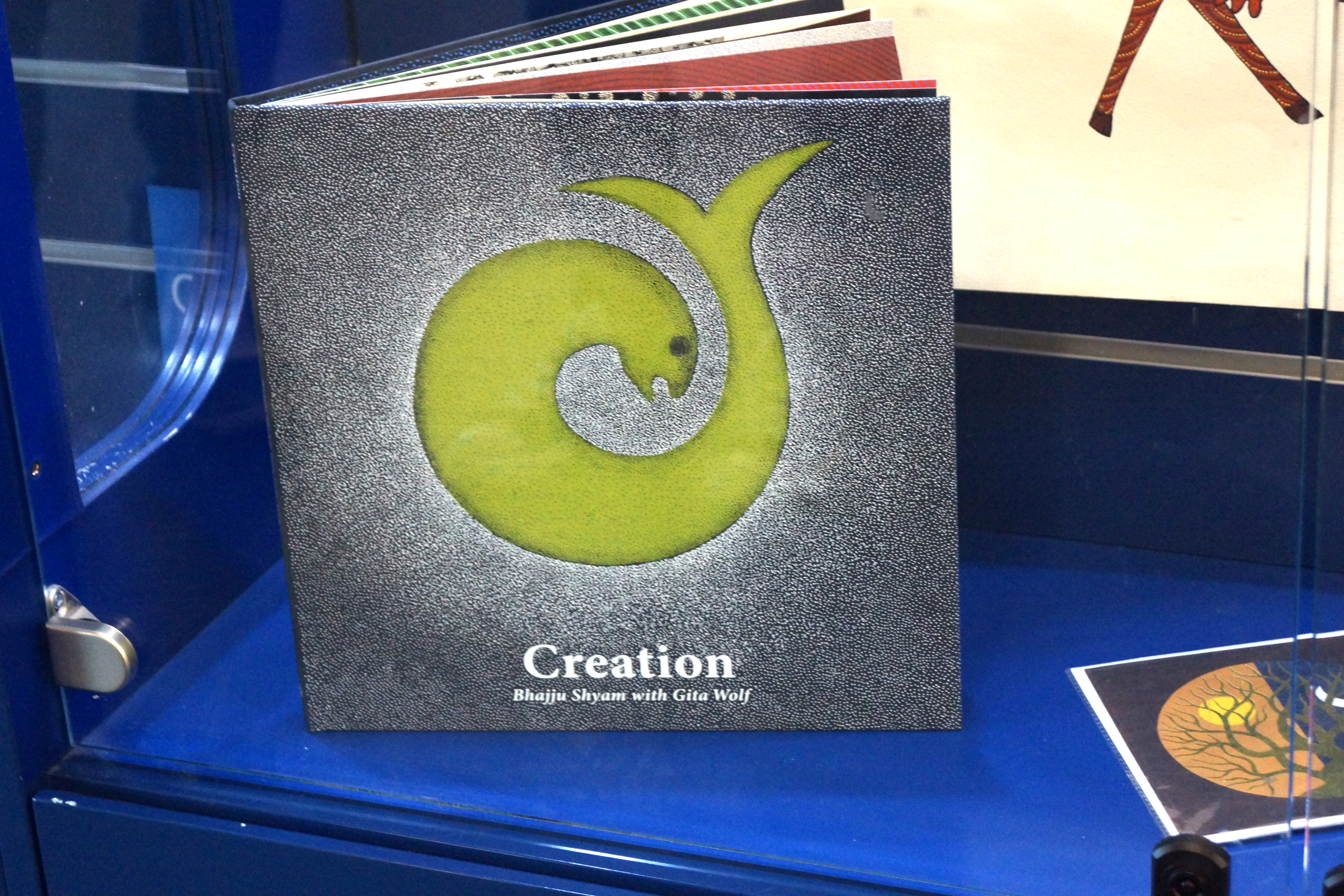
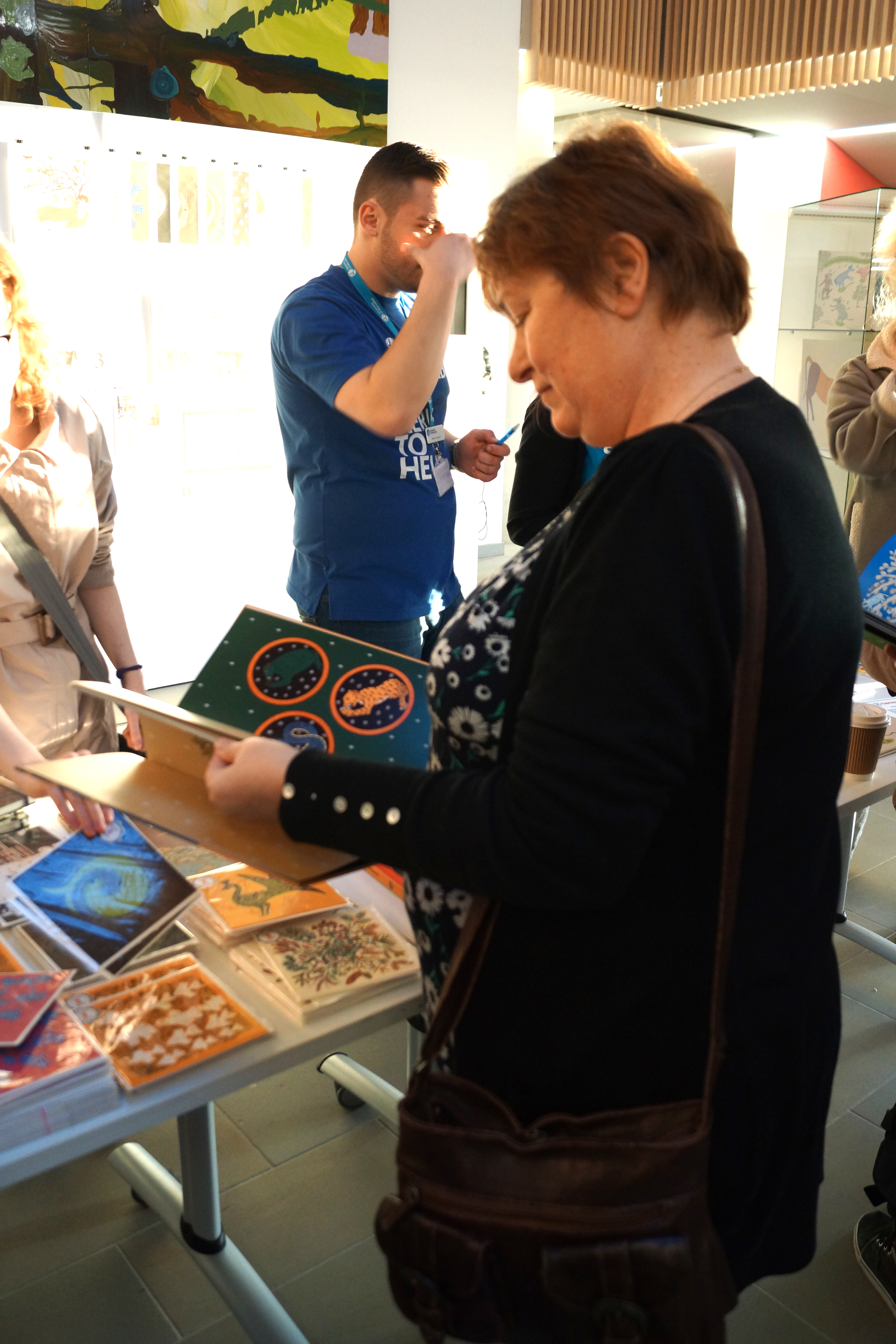
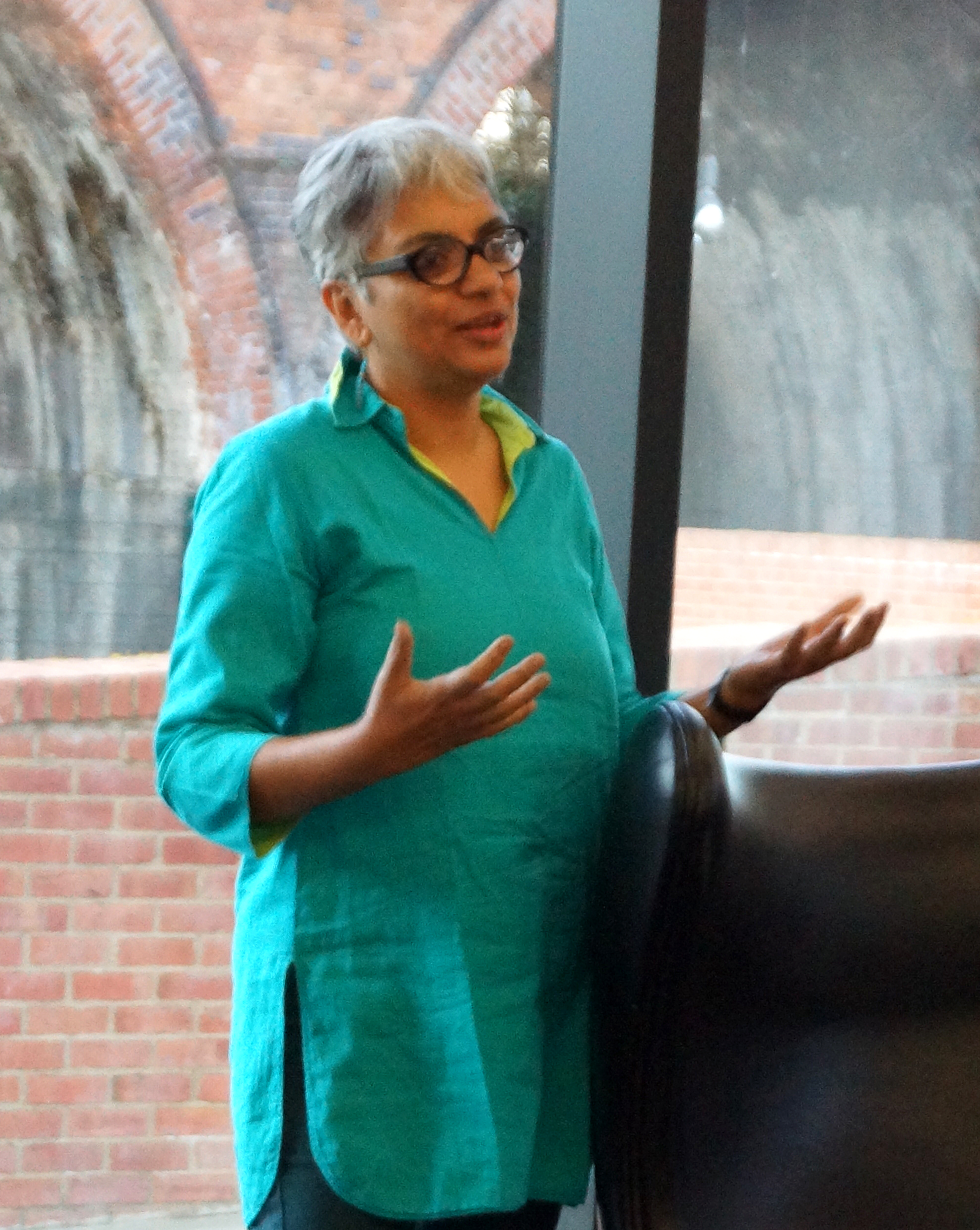
Tom and I were fortunate to get an invitation to join Worcester universities Illustration students in meeting an inspiring woman named Gita Wolf. Tara books was set up in 1994 its founder Gita Wolf has been traveling around Europe to raise awareness of the project.

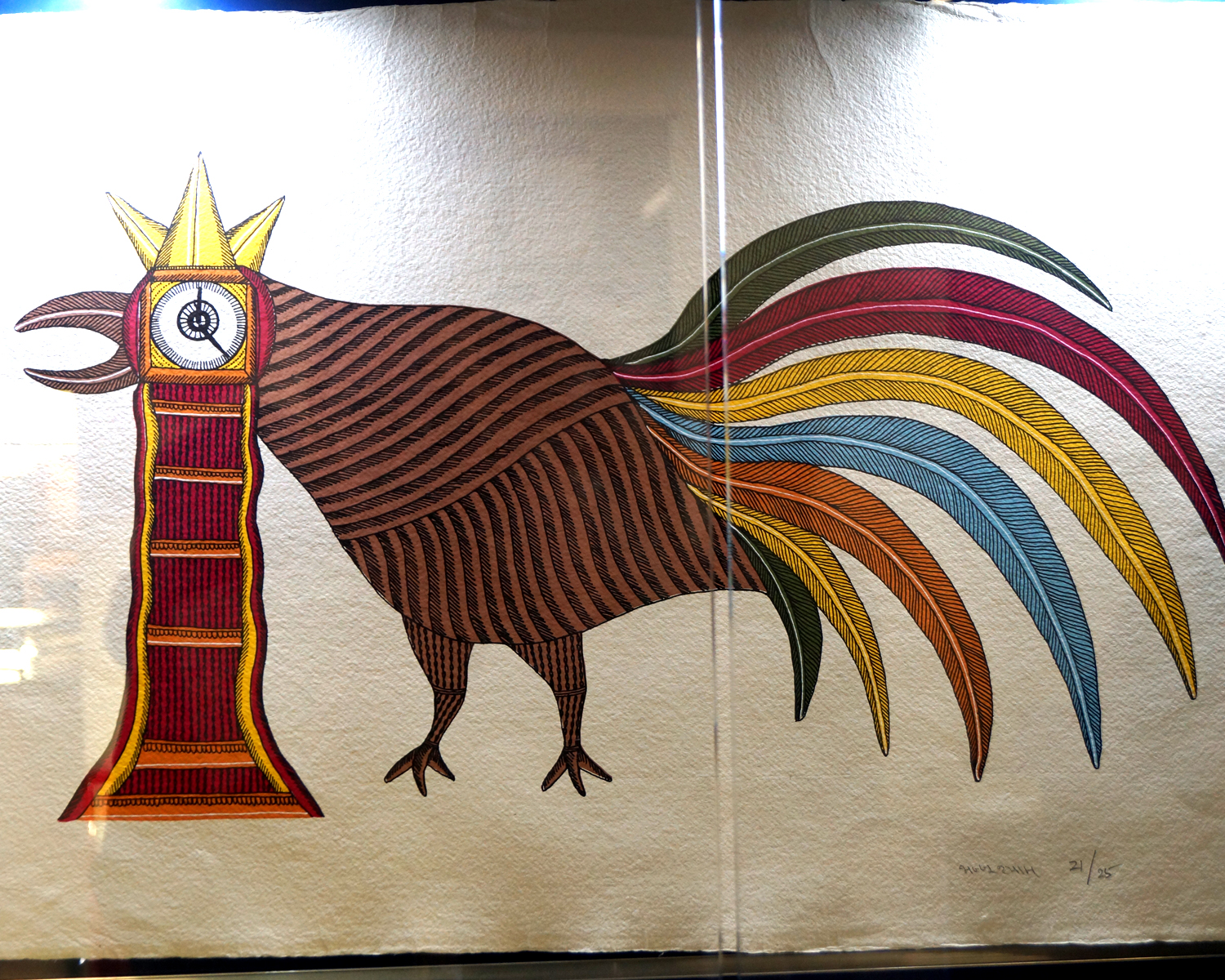
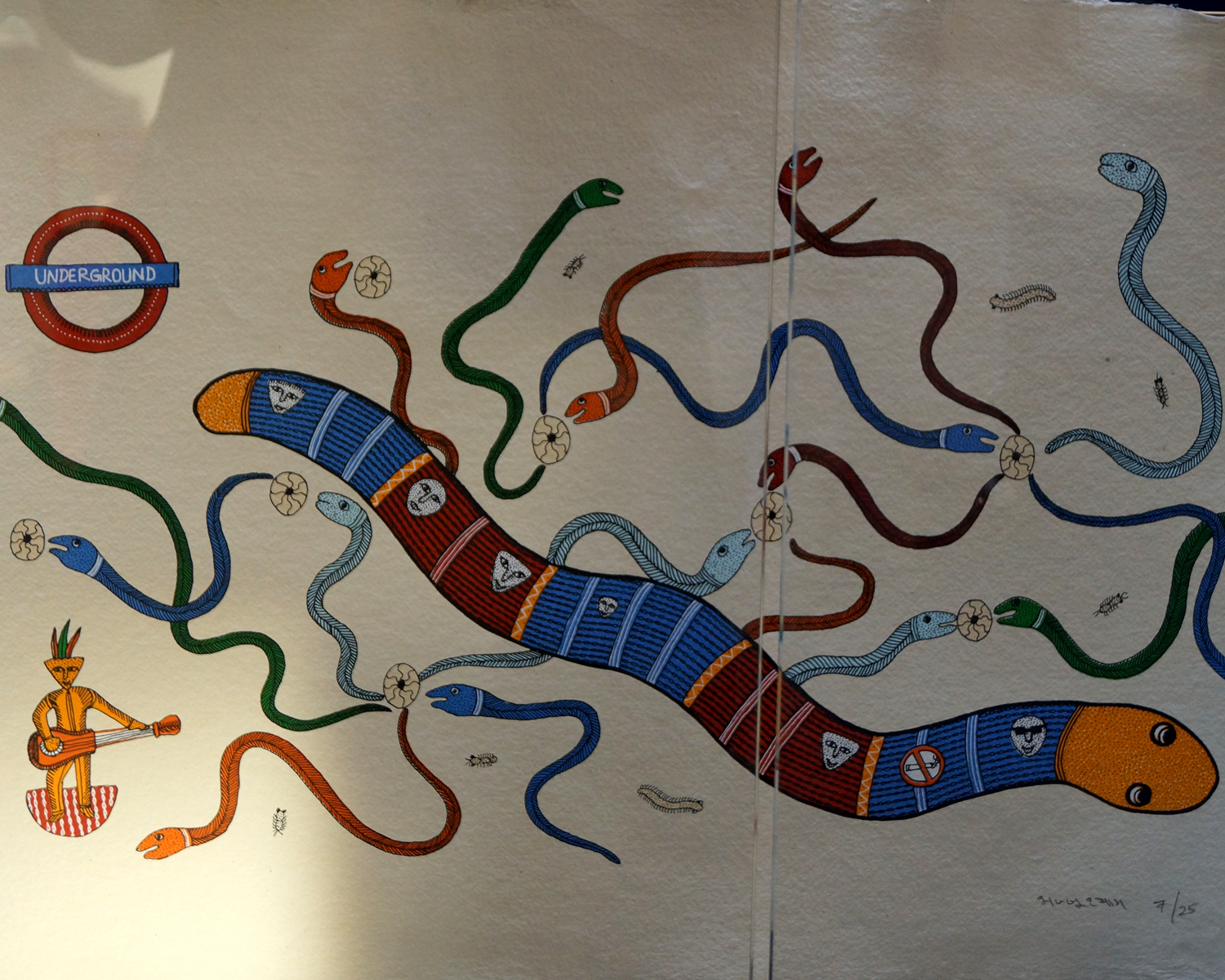
chicken DSC00010 snake

Avid supporters of the children’s library at Worcestershire Hive will know how the university’s English and illustration departments are keen to bring a wide range of new and attractive projects to young people in the area. This new project comes to us from India. Gita is a publisher who goes out into the rural and small towns in India to seek out artist and cultural stories. Her aim is to exchange these for education and money for the artist and the town or village they live in. Gita herself was born in India and then moved to Germany to study retuning to India to begin this new project. Artist and stories are not the only part of this bold project. Tara Books is also an environmentally sourced project and supports local business and training in hand published books with in central India. Part of the fair trade organisation with 25 artisans they produce 3,000 books at a time screen printed and bound by hand.  That’s a 110 screen prints made a day; every page is screen printed including the words and cover art. 

 Talking to Gita you get a real feel for the love and passion in this project. “It’s not just by vision anymore its organic. The artist and community take it up and really infuse their traditional and imaginative energy into each part. We know we are a publishers who straggle two worlds and we love to share the benefits and diversity with both. We are honoured to enable creative voices to be heard. Independent publishing really helps to encourage diversity and awareness in communities.

Our stories are for all walks of life and we love tactile materials. It really matters to us the sense of craftsmanship and quality of production we want some focus to come back to that in today’s industry. There is room for both the digital and the handmade; I myself own an tablet for reading and writing but I truly value what I can hold in my hand. What it feels and smells like a sense that it has be touched by its creator and their own personal spirit is in it.” – Gita Wolf 2015


DSC00011 DSC00015 

gizaGiza Wolf

Print Process Collagraphy

Collagraphy (sometimes spelled collography) is a printmaking process in which materials are applied to a rigid substrate (such as paperboard or wood). The word is derived from the Greek word koll or kolla, meaning glue, and graph, meaning the activity of drawing.

The plate can be intaglio-inked, inked with a roller or paintbrush, or some combination thereof. Ink or pigment is applied to the resulting collage, and the board is used to print onto paper or another material using either a printing press or various hand tools. The resulting print is termed a collagraph. Substances such as carborundum, acrylic texture mediums, sandpapers, bubble wrap, string, cut card, leaves and grass can all be used in creating the collagraph plate. In some instances, leaves can be used as a source of pigment by rubbing them onto the surface of the plate.

Different tonal effects and vibrant colours can be achieved with the technique due to the depth of relief and differential inking that results from the collagraph plate’s highly textured surface. Collagraphy is a very open printmaking method. Ink may be applied to the upper surfaces of the plate with a brayer for a relief print, or ink may be applied to the entire board and then removed from the upper surfaces but remain in the spaces between objects, resulting in an intaglio print. A combination of both intaglio and relief methods may also be employed. A printing press may or may not be used.
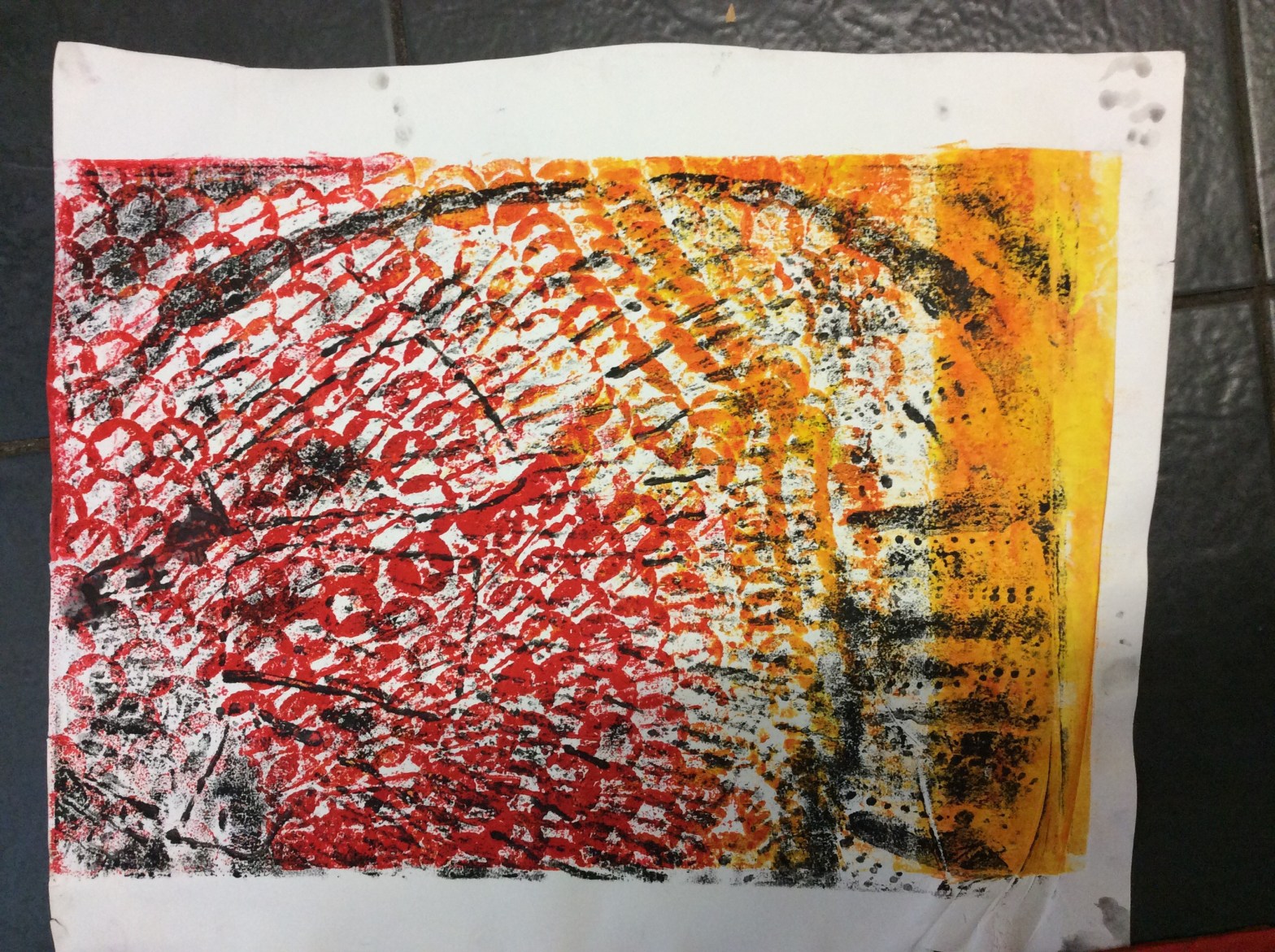
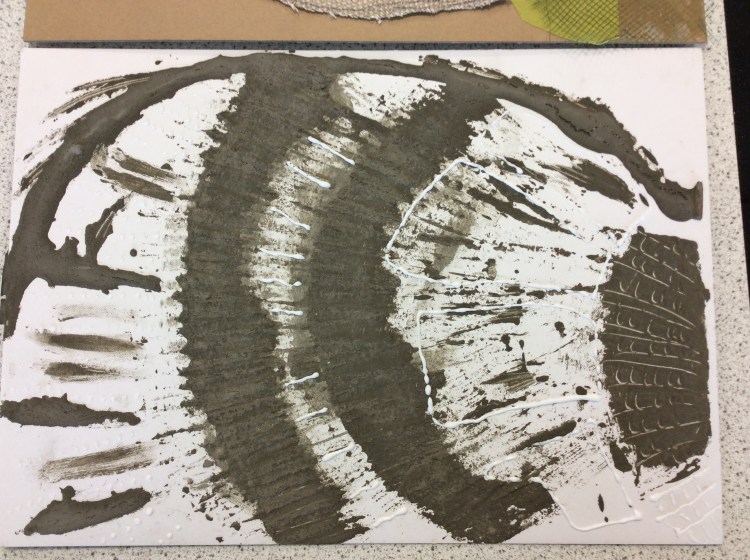
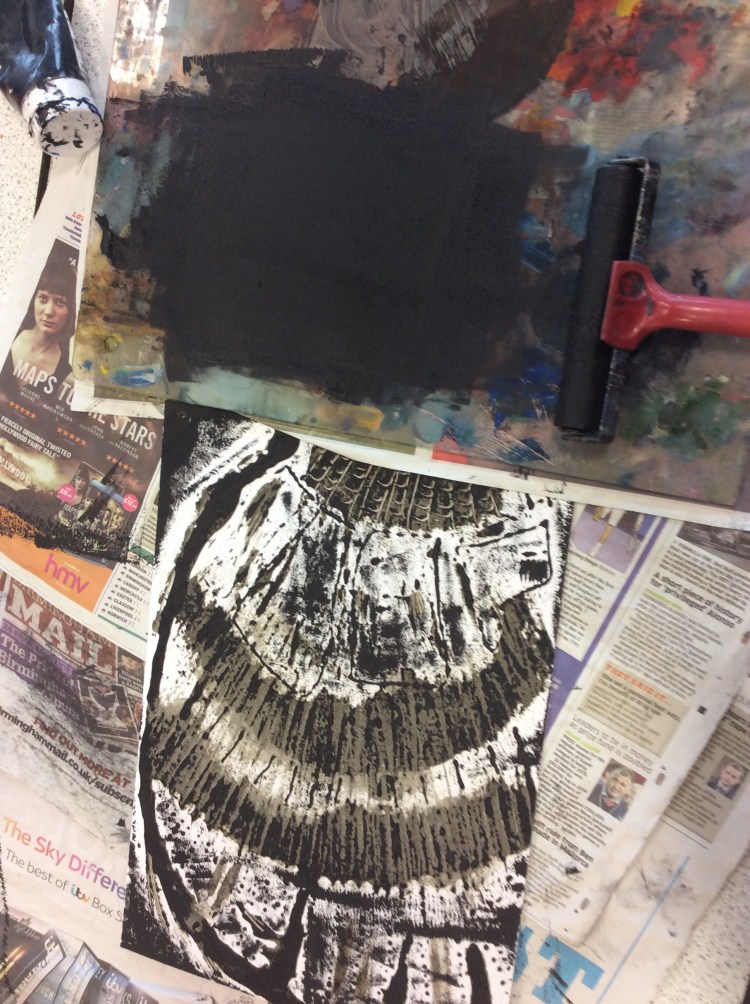
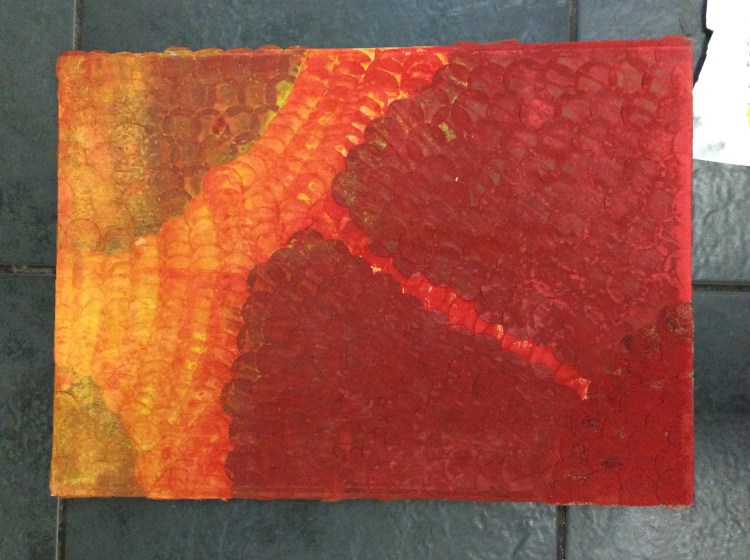
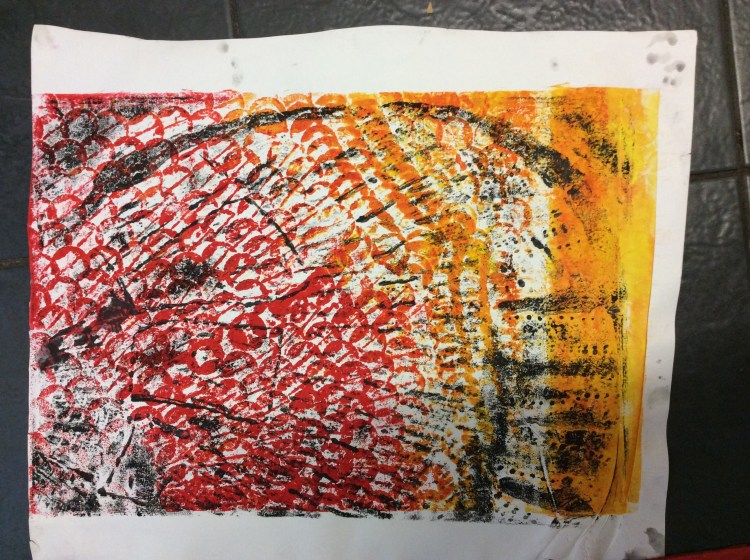
My attempt is part of my FMP. It is an illustration of a butterfly wing.


Birmingham Nature Centre visit

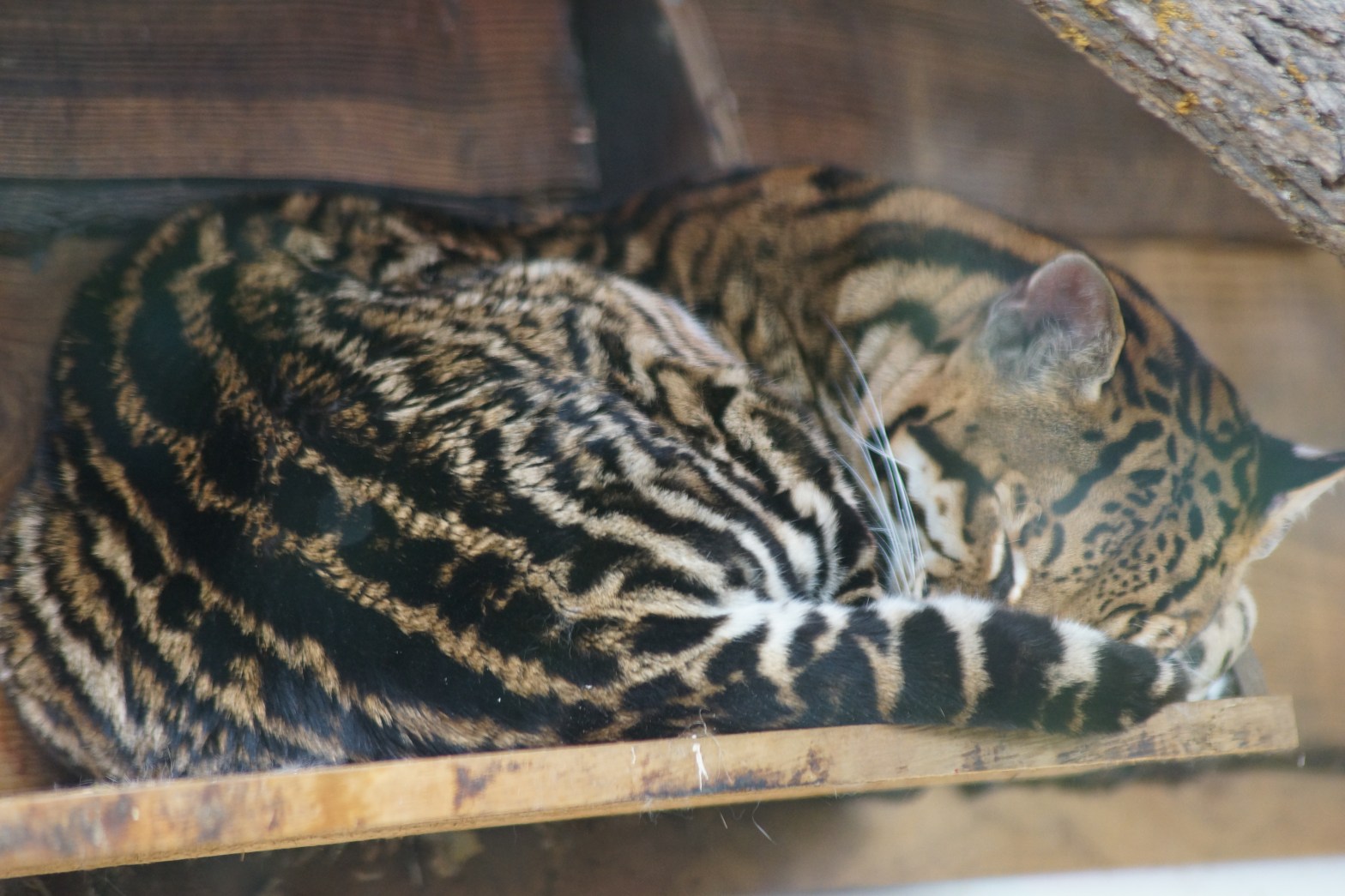
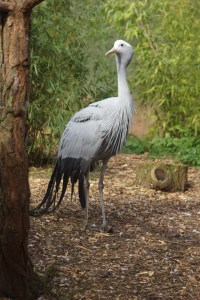
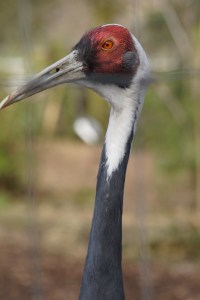
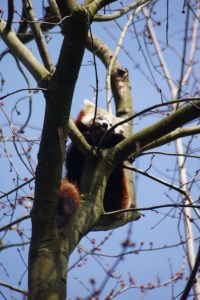
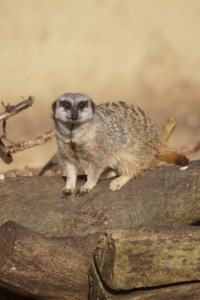
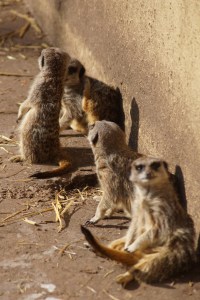
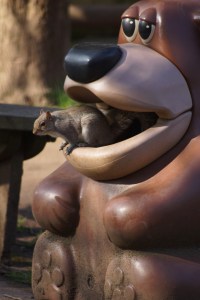
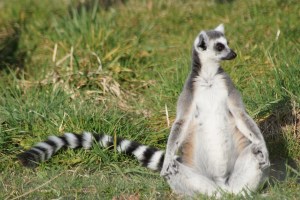
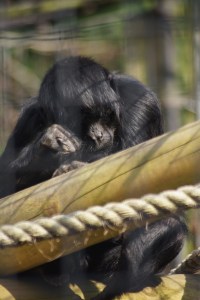
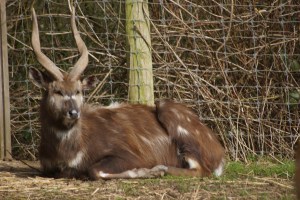
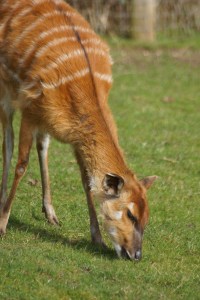
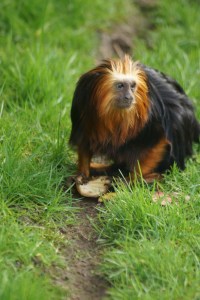
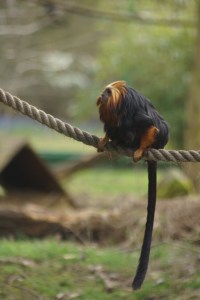
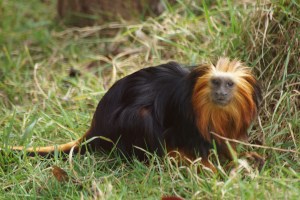
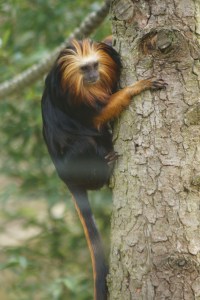
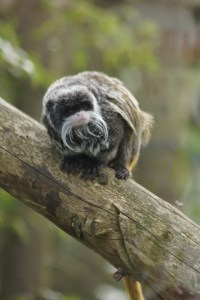
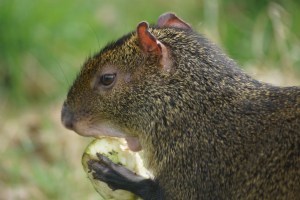
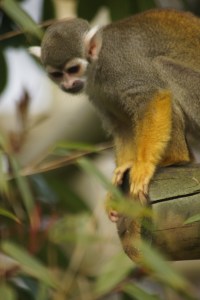
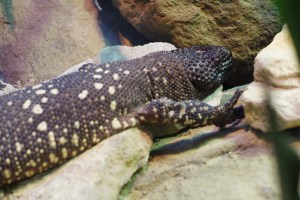
Located on Pershore Road, two miles south of Birmingham City Centre, Birmingham Wildlife Conservation Park home to a variety of different animals.Some species they are working with are critically endangered in the wild such as the Yellow Breasted Capuchin Monkeys.