Woman’s weekly research


Grandparent stalking:

image image image image image image image image image image image image image image imageWoman’s weekly research

Task = follow someone in the age range that we are aiming to research (60+). Look at their behaviour, demeanour and what they look like and make a short life bio on your observations.

Struggled to do this task I felt like a criminal; And I’m guessing must have looked like one because the security guard in M&S became very interested in me. I think he was worried that I was going to mug the old couple I was stalking.

So… I changed it to interviewing some of the older looking people who were willing to talk to me.

  • Janet and Elizabeth:

Met them in the cathedral café. Jan is 52 and her mom Elizabeth is 81.

Q) how did you make it to 81?

A) well, my farther always told me you first priority should be your health so you can be a good parent by being here on earth to do the job. So he always made us eat our vegetables especial the green ones and we were not to over eat we have to have lots of walks before we sat down to dinner on an evening and then we were not allowed to eat after that until the morning. – Elizabeth

Mom has always been very active. She still likes to get her own shopping and likes to buy from the farm shop. – Jan

Q) did you know that the average life expectancy in the UK is 82

A) oh you morbid child! Is that what you’re learning about at school? – Elizabeth

(laughing) I think my mom would out live us all she has no intention of slowing down – Jan

Q) what to do think about being considered old?

A) I am. I know it in my bones. But I’m not stupid I didn’t get this far and not learn anything about life and how to be good at living it. I don’t mess about like you lot I get on with it I got to work soon as I could and started paying my mom keep. My children were expected to do the same and they did mostly. If they were not out earning they would help in the house, that how it was. – Elizabeth

We could work though mom; they didn’t ask for so many bits of paper as these kids have to have to get a job.

(she talks about her own son for a bit and asks me what I am studying.)

It’s very sad that kids nowadays don’t know how to work for a living they get no sense of value for themselves. All they can do better than us is fill in all the blasted benefit forms.

– Jan

  • Judy and Paul:

Meet them shopping together in the Worcester high street. I offered to help them carry a practically large item back to their car in return for help with my assignment. They were a little confused by the offer until I explained I just wanted to ask a couple of questions and they didn’t have to answer if they didn’t like the question. Judy is 60 and Paul is 64 they have been married to each other for 40 years.

Q) How did you meet?

A) Fell in love in our 20s. Paul was working for his father, and I worked in the shop front. We’d seen each other at school and we’d grown up in the same town so we knew of each other. He was a handsome man and was very tall, he had thick black hair a one time. – Judy

She was always very pretty. I was very glad when my dad hired her I said she would do well and she did he didn’t know that I fancied her. – Paul

Q) how do you feel about being considered old?

A) I guess I know that I’m because I have grandchildren and are like being a grandma and liked being a mother. It was okay to not be working and just be a mother back then. I know I’m old because I can never find glasses without my glasses actually being on my head. I don’t worry about being old it’s just something that happens to you it comes with experience which you can give that to other people. – Judy

I don’t feel old except for in the morning I feel very old then. The bodies old but the mind is not old. – Paul

Q) what do you think about today’s youth?

A) do you really want me to answer that? Well they are certainly not all as polite as you… (he thinks for a few moments) With phones being wireless and car keys being keyless and food being fatless this is all their youth being jobless and their relationships being meaningless making babies fatherless and me being speechless about it all. – Paul

Q) So are things hopeless then?

A) very cleaver. No my hopes for the future youth are endless, special in those nice girls and boys like you around. – Paul

What I think about today’s youth is that they do have an awful lot to say without really knowing what they want firstly. Majorly about what rights they have. before thinking about what right they have to any of those rights. If you get what I mean. To think that they haven’t even considered the people who fought for those rights in the first place. Aren’t you disappointed in your leaders too? – Judy


Meeting Stephanie Hale

Meeting Stephanie Hale

stephanie1

arranged by our tutor Julia at Worcester university.

Julia and Stephanie met working for the BBC. Stephanie Hale was the former Assistant Director of the Creative Writing Diploma at Oxford University’s Department of Continuing Education and is now the director of Oxford Writers literacy consultancy.

Stephanie’s advice for new authors is primarily to research your market. even if you are doing a genre-based novel.

Also stories must always escalate from the beginning. “In the last 10 years of my experience readers don’t like to wait, especially in literary fiction. They wanted to move fast and they wanted all set up being done within the first chapter.” Stephanie warns us.

What is the worst misconception authors have? “The one thing I’d don’t want an author to be is negative and expecting things to just drop in their lap.” Stephanie often finds that rebranding or re-titling the book can sometimes help an author who has been struggling.

When asked why she wanted to be a publisher Stephanie answered “mostly because people kept asking me. I was quite good at marketing and a lot of people wanted to go from part-time to full-time and I could help with that. I was able to bridge the business to the literacy writers gap and back either way.

How many authors make the cut this year? “out of thousands there is only about 90”

why do people often choose to self-publish?

“I’m not against people self-publishing. As self-published authors you get most of the profit. if you go to the mainstream publishers you only get around 8%. If there was any type of publishing I’m against its vanity publishing where you pay to be published.

If you’re going to self-publish you need to learn marketing skills. Don’t hand the book over and just think it’s going to be okay. When you read about anybody who goes from destitute to millionaire, you find that they have had to put in a lot of hard work and have had to know the subject well in order to sell it.” publishers expect 3000 to 5000 followers on a social media site before they’ll even look at publishing you after you have self-published your own work.

For Stephanie the business side often produces her books. for example, clients wanted to know how to sell 1 million books so that’s what she wrote and that’s exactly what she called it “How to sell 1 million books” she always says to keep going and keep learning.

What are the things you look for in an author?

“The character of the best kind of author is resilience. writing is a business you need to be up to doing this for hours and hours of a day. secondly is marketing. you’ve got to be okay about it; talk about your work, why you love your characters and what inspired you to write. You need to know that you will need even more hours spent researching your book than when you are writing that book. Lastly the perfect type of author understands their reader. They look at what that reader is looking at, they read what that reader is reading, then and only then did they make a story for them.”

Stephanie’s top tips

  1. Don’t outsource. Instead find out what your readers like about your work. Respond to them yourself whenever possible.
  2. Plot is so important. Grammar can be sorted out, but if you don’t have a good story it isn’t even worth the paper its on.
  3. Your first chapter must be a wow! Personal experience and lots of research always help to do this
  4. Get on social media and exploit it. Find out now who is doing similar work to yours and have a look at it. Market research is very valuable.
  5. Sometimes you are the story when it comes to selling your work. Things like what inspired you to make this story or what’s it about these are facts only you can say with passion and be believed.
  6. Bulk sell your book. Get your book into a reading group or on a popular reader’s blogger by sending them free copies for a review. It often works well.

I have to say it was a shock at how high the bar is set for new authors, but I’m glad I took the time to talk with a brilliant mentor and publisher. Now I won’t be wasting so much of my time and energy. Stephanie’s talk has motivated me to really aim my writing and do a lot more research before starting a story.

Thank you Stephanie Hale.

oxford LCA

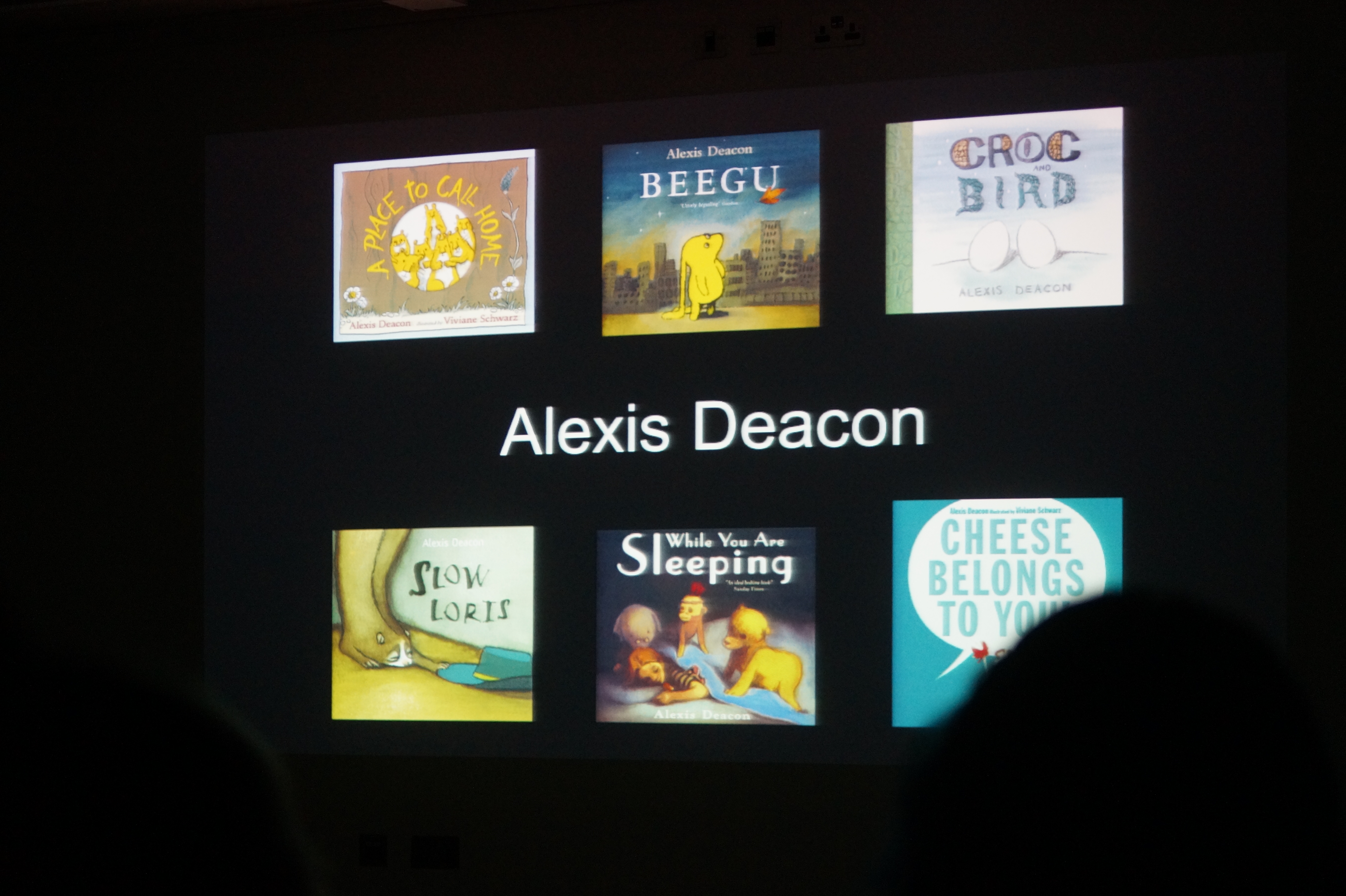
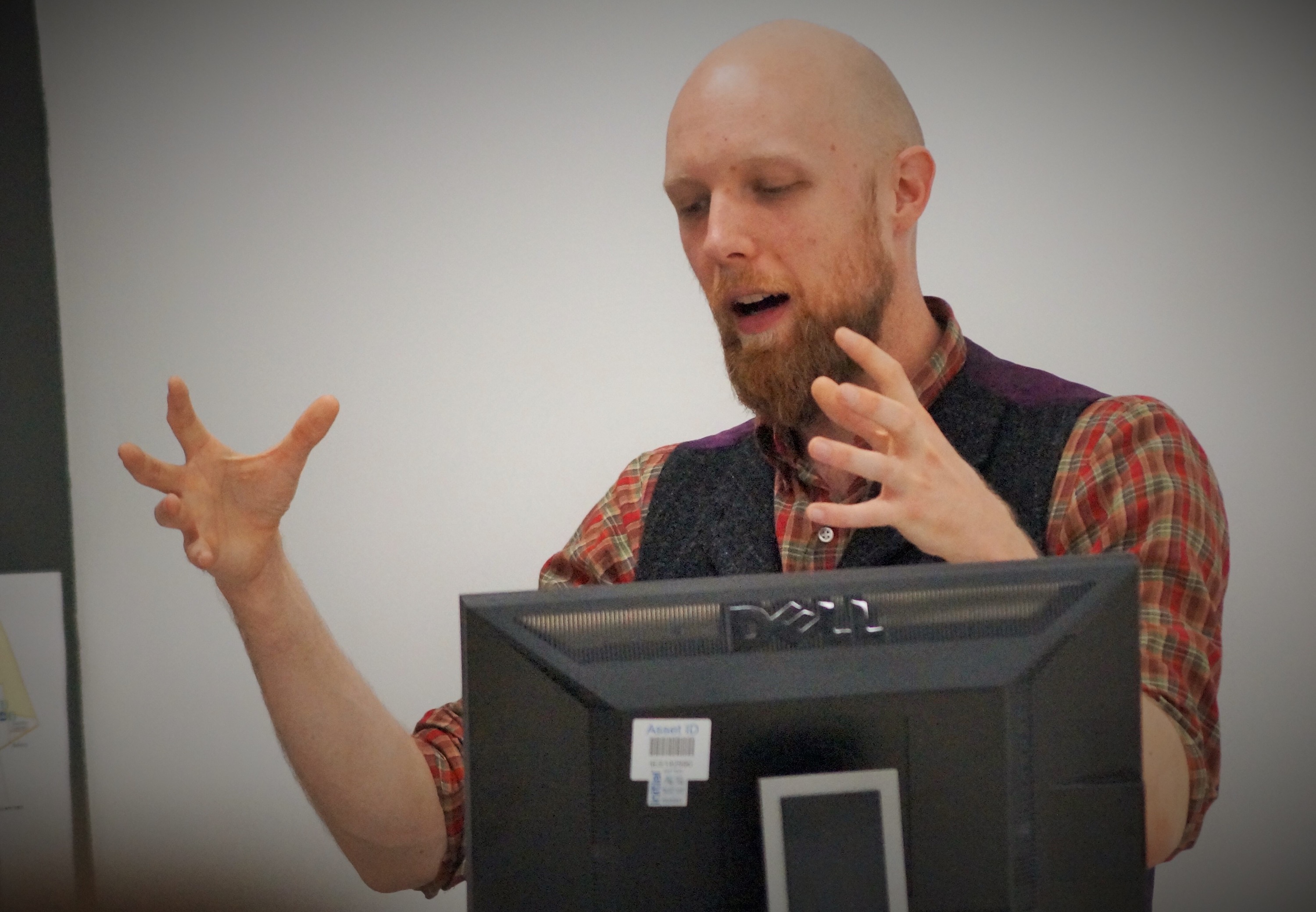
Listening to Alexis Deacon

Listening to Alexis Deacon

DSC00958

born in New York this award-winning illustrator and writer loves storytelling

“I always knew I was going to be in illustrator because sharing and trying to communicate was so important to me. understanding of the stories help us to do that”

Alexis’s number one tip for writers: “start as close to the end as possible”

Alexis read some of his stories to us and took us on a very cleaver memory trail which turn out to be completely made up. Why? To teach us in his own words… “imagination and forgotten memories, like my best friend being a chocolate rabbit are boundless sources of stories and images.” Alexis encourages us to live our imagination out and play with our own imaginary friends in our heads

We transport imagination through line drawing and image making.  “make it as real to you as you can and thoughts can be shared. draw and draw all your life children do this without being told as we get older we stop drawing and stop imagining but true illustrators don’t, so keep going nothing you do is a waste.”

Alexis went to art college at Brighton he found it hard to make drawings for other people thus he tells us his first book – monster zoo- was a big learning curve.

Watching a couple of Slow Norris’s one day gave him great pleasure and started his imagination going. “the two were just wondering towards each other down the same rope. They met in the middle had a staring contest, they both made a face and went the other way. This one moment inspired my first published book – Slow Norris” Alexis advise us to take moment like these and let your imagination go wild if you find it entertaining the chances are it will engage your reader too.

What is illustration? He asked us then answered “It is universal communication. The face is universal and universally understood. looking at the face we filter out other things and we see just the expression we only need simple values to tell this story. we are hardwired to understand expression from an early age. You need to keep that in your mind when you produce your character’s form on to the page.  just like the face gestures transporter and give us information too. Learn to love gestures as the context is strong. this gives you a good story and an expansive narrative from these simple ingredients of image.”

Alexis closing advise to us who are studying illustration this year – “By illustrating you give your story to someone else so you need to leave enough space for the reader to imagine too”


A job for illustration to go wild

this beautiful gothic romantic movie with ghost in gets translated into a window display all from cleaver and productive illustrators. 

Take a look.