Alessandra Marie: Artist 

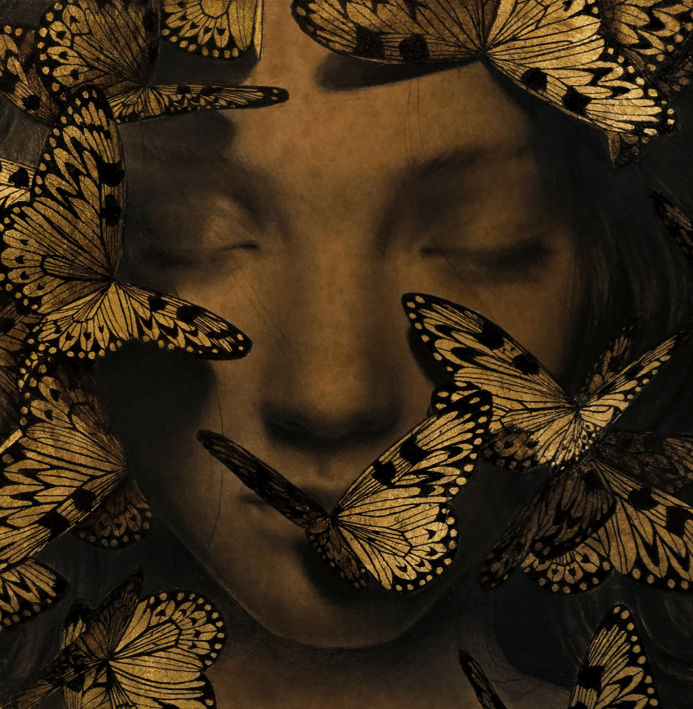
Originally from Seattle, Washington, Alessandra attended the Pratt Institute where she graduated in 2012 but remaining in New York where she currently lives and works.  It’s been a pleasure to see her style evolve and to see her art embraced into the eyes of countless viewers and I’ve always wanted to sit down and talk to her about all of it. She has gained a lot of recognition though interview, blogs and social media which I guess is a sign of the times.

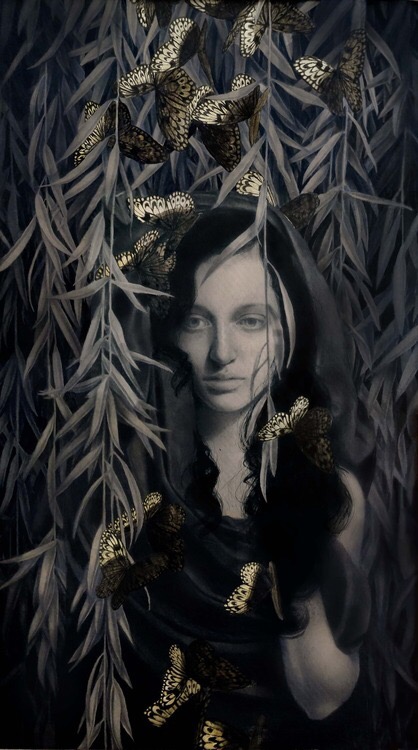
All her works are with coffee stain, ink and pencil then Alessandra adds gold leaf details. This creates these wonderful dreamy pieces with an almost art nouveau feel I think.
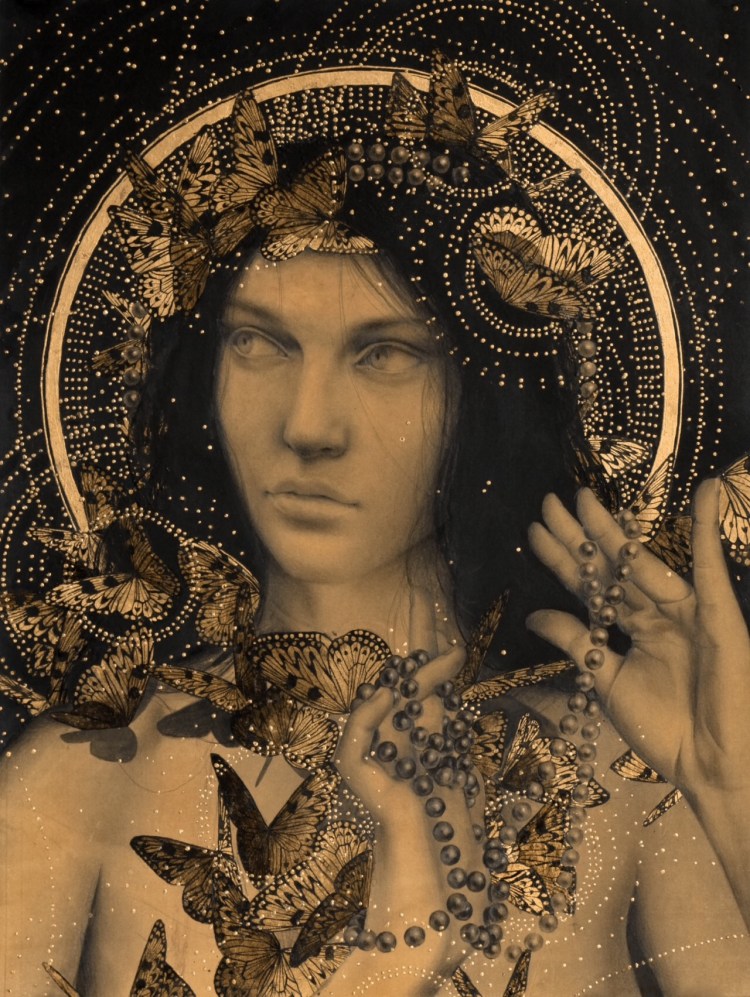
  

My favourite interview answer when asked about her work :

Alessandra: Well – I don’t work with color! It’ll start to come in eventually (in certain areas), but my mind doesn’t work like a painters’ does. I see and compose work in terms of pattern, as opposed to light.. At first I perceived it as a serious disadvantage, but now I’ve found that it enables me to overcome some obstacles in interesting ways. It goes back to that Picasso quote, “If you have five elements available, use only four. If you have four elements, use three.” You can’t keep the intention of the piece pure if you’re too focused on balancing a bunch of irrelevant parts.

And yeah, Klimt was where the initial idea for gold came from! Growing up, my grandparents had some lovely Japanese lacquer boxes with gold that were great too.. I’ve always thought they were beautiful, and the execution on them inspired the work as well.
  

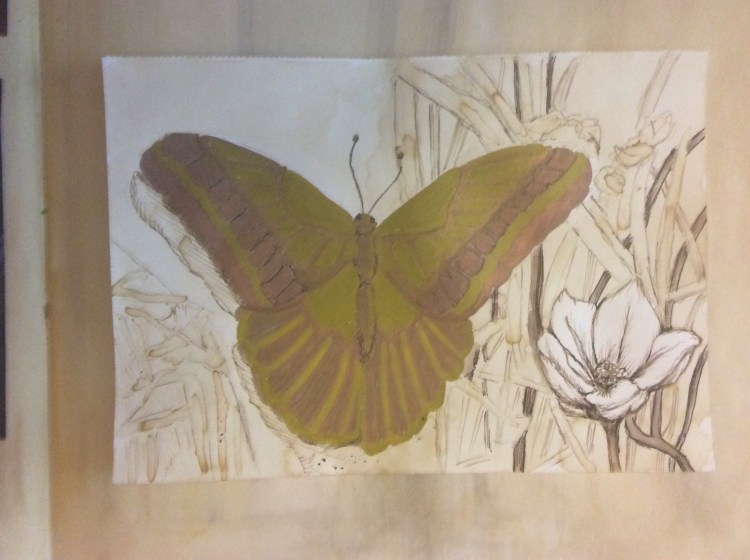
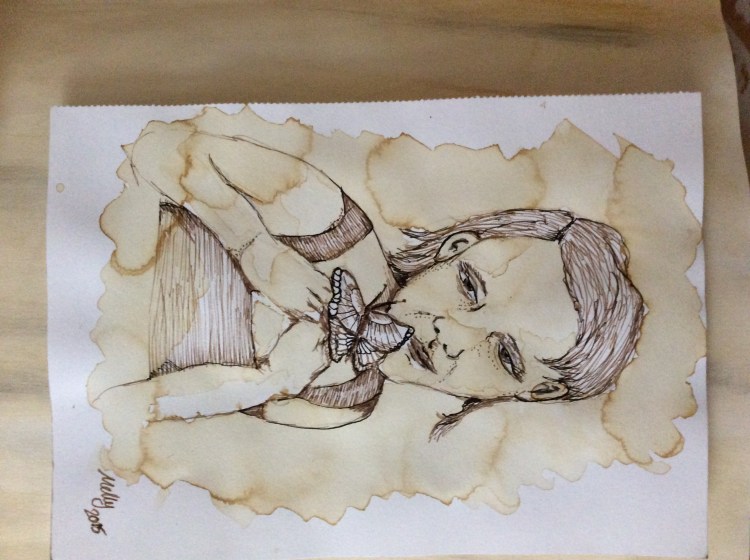
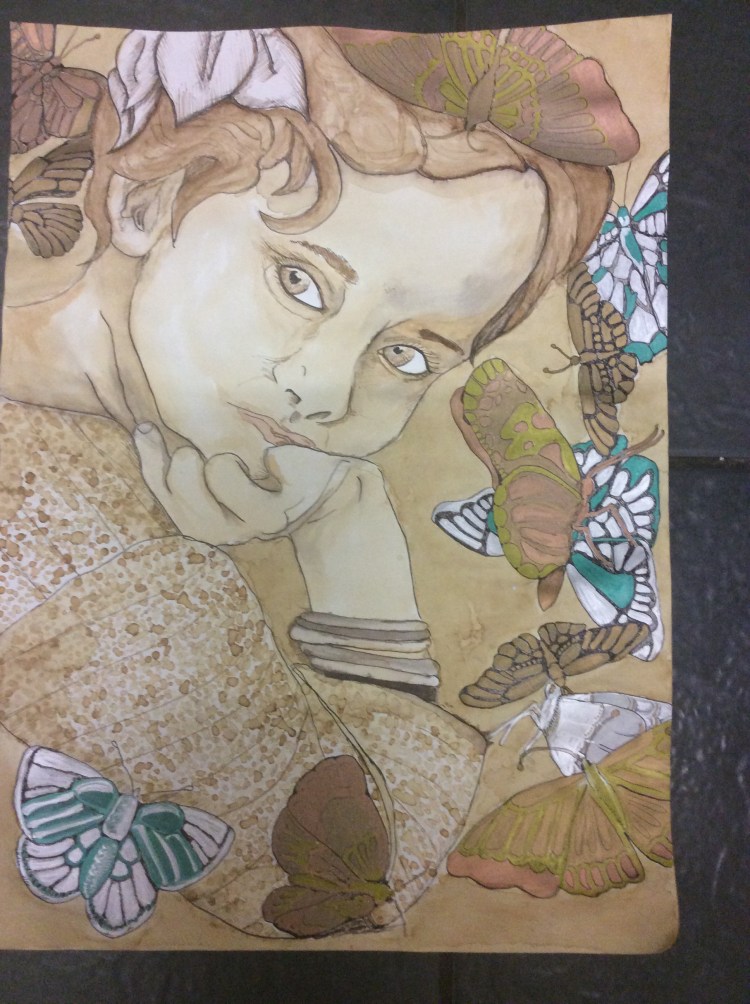
Having a go myself was going to be a challenge. I didn’t have gold leaf so I just used metallic pens to match the iridescence. I have to say learning to control and predict what the coffee stains would do took several test attempts.

My attempts:


Final piece…
  

Oxford: The Ashmolean Museum

The present Ashmolean was created in 1908 by combining two ancient Oxford institutions: the University Art Collection and the original Ashmolean Museum.

The collections span the civilisations of east and west, charting the aspirations of humankind from the Neolithic era to the present day. Among its treasures are the world’s largest collection of Raphael drawings, the most important collection of pre-Dynastic Egyptian material in Europe, the only great Minoan collection in Britain, the finest Anglo-Saxon collections outside the British Museum and the foremost collection of modern Chinese art in the Western world.

The Ashmolean is also a teaching and research department of the University of Oxford, providing research and publications of the highest standard in the academic fields of art history, archaeology and history.

Refurbished in 2009, the way that the collections are displayed in the new galleries & enjoyed by the public became the driving force behind the transformation. The galleries are interlinked by one big theme, Crossing Cultures, Crossing Time. This encourages visitors to make new connections between the collections of the Ashmolean. Adding 39 new galleries to the original 1845 Cockerell Building, the Ashmolean’s new wing was designed by award-winning architect Rick Mather.

The Art class and I needed more than the few hours we had to full apriciate the vast collections. However we had a brilliant adventure exploring art history from around the world.

Return To Oxford

So we went back to oxford this time we were on the hunt for botanical illustration and its different usages in design and functions. (aka. the butterfly hunt)

first stop was my favorite emporium of oddities and history The Pitt Rivers Museum.

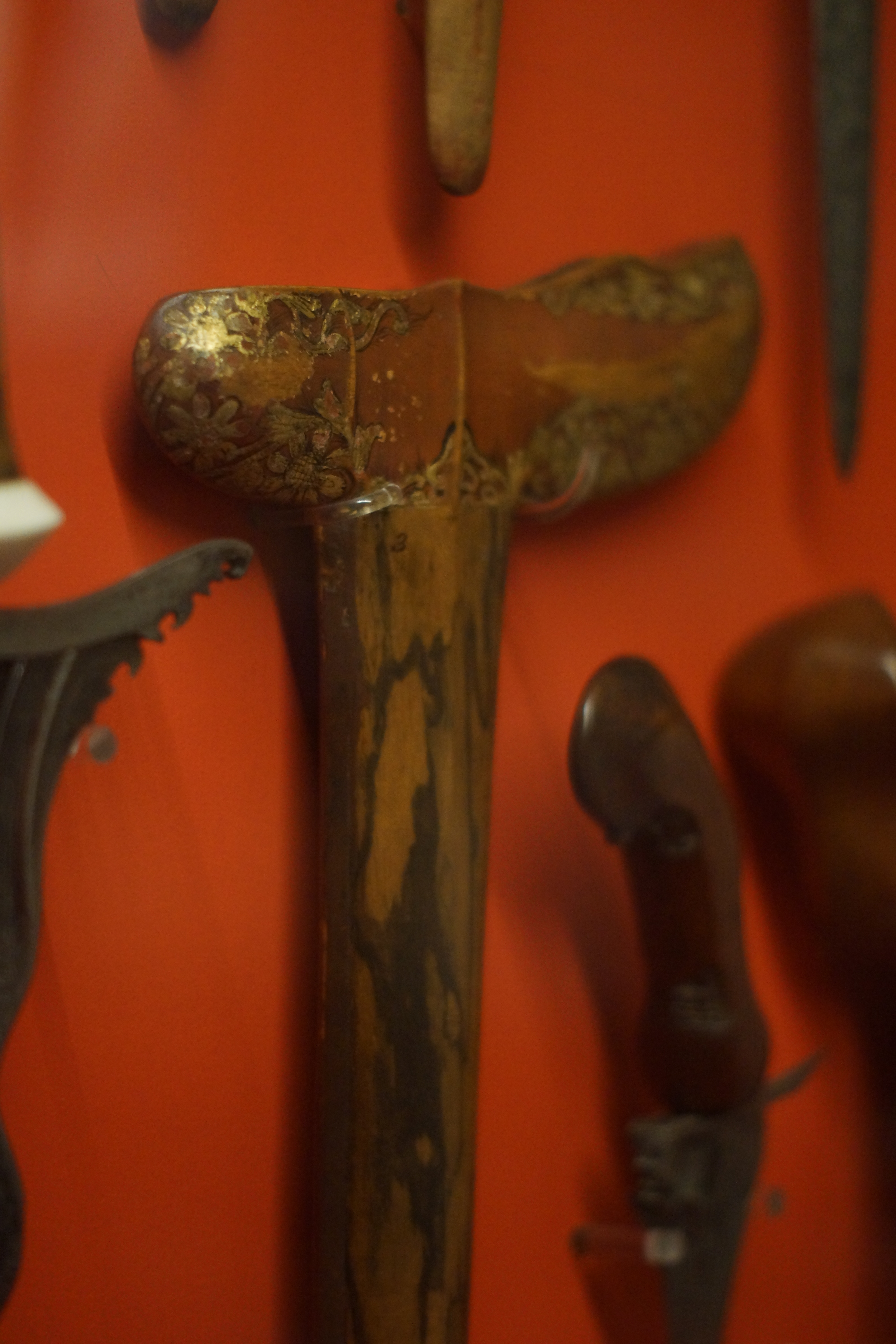
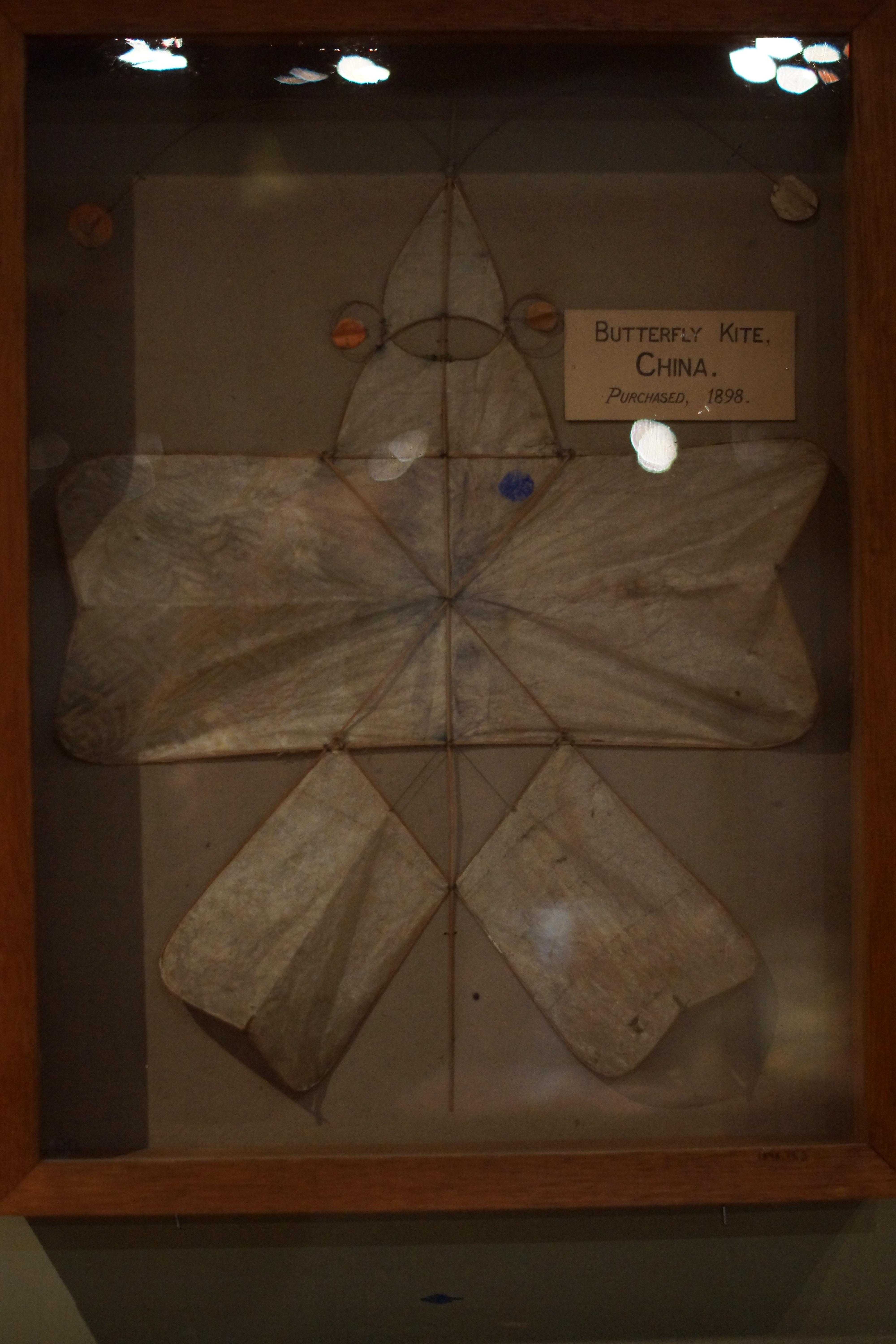
2607_0483 2607_0486 2607_0495

Butterflies and tropical flowers were a favorite decoration in Asian countries like China and Japan. even on an Indonesian short-sword from the 18th century.

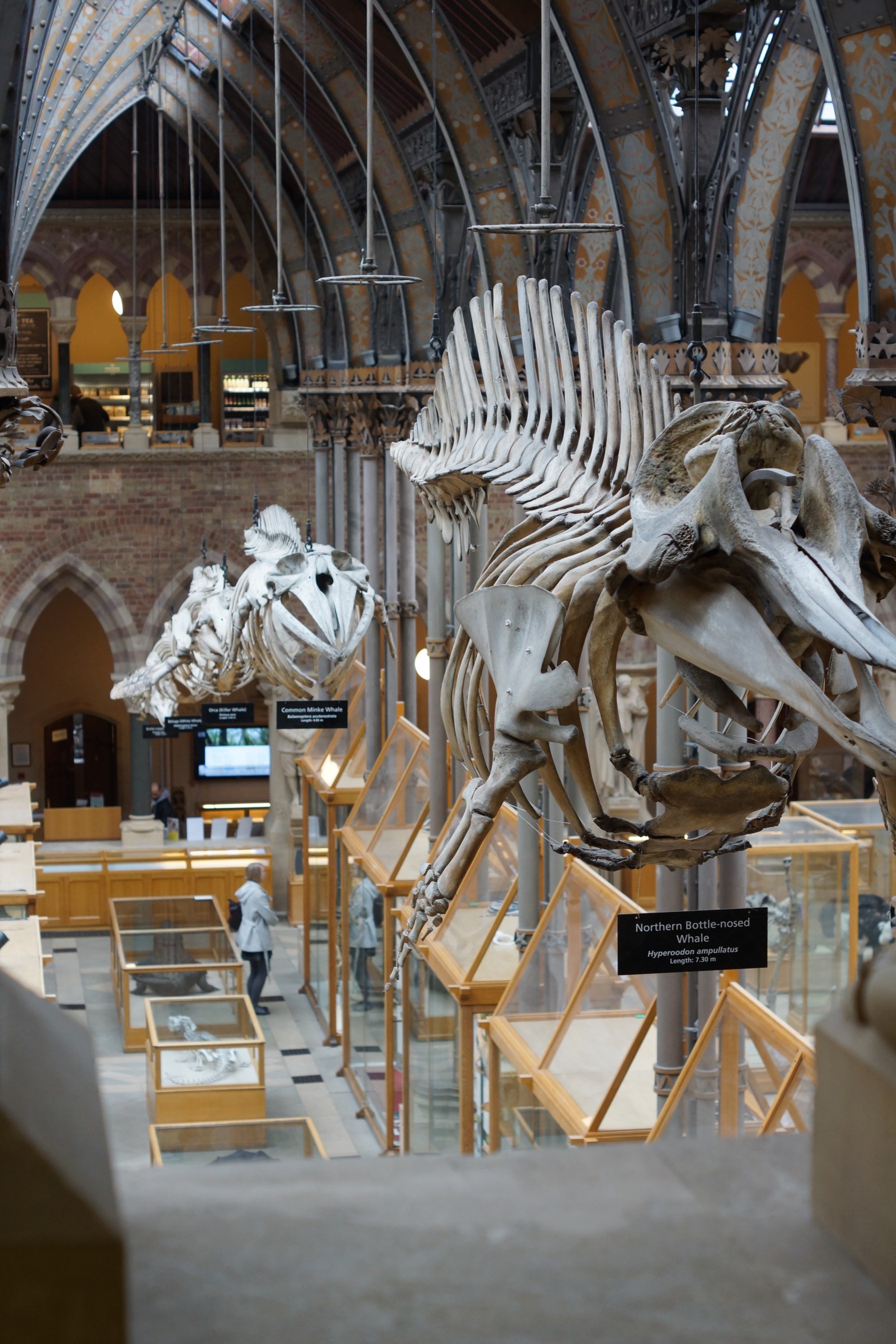
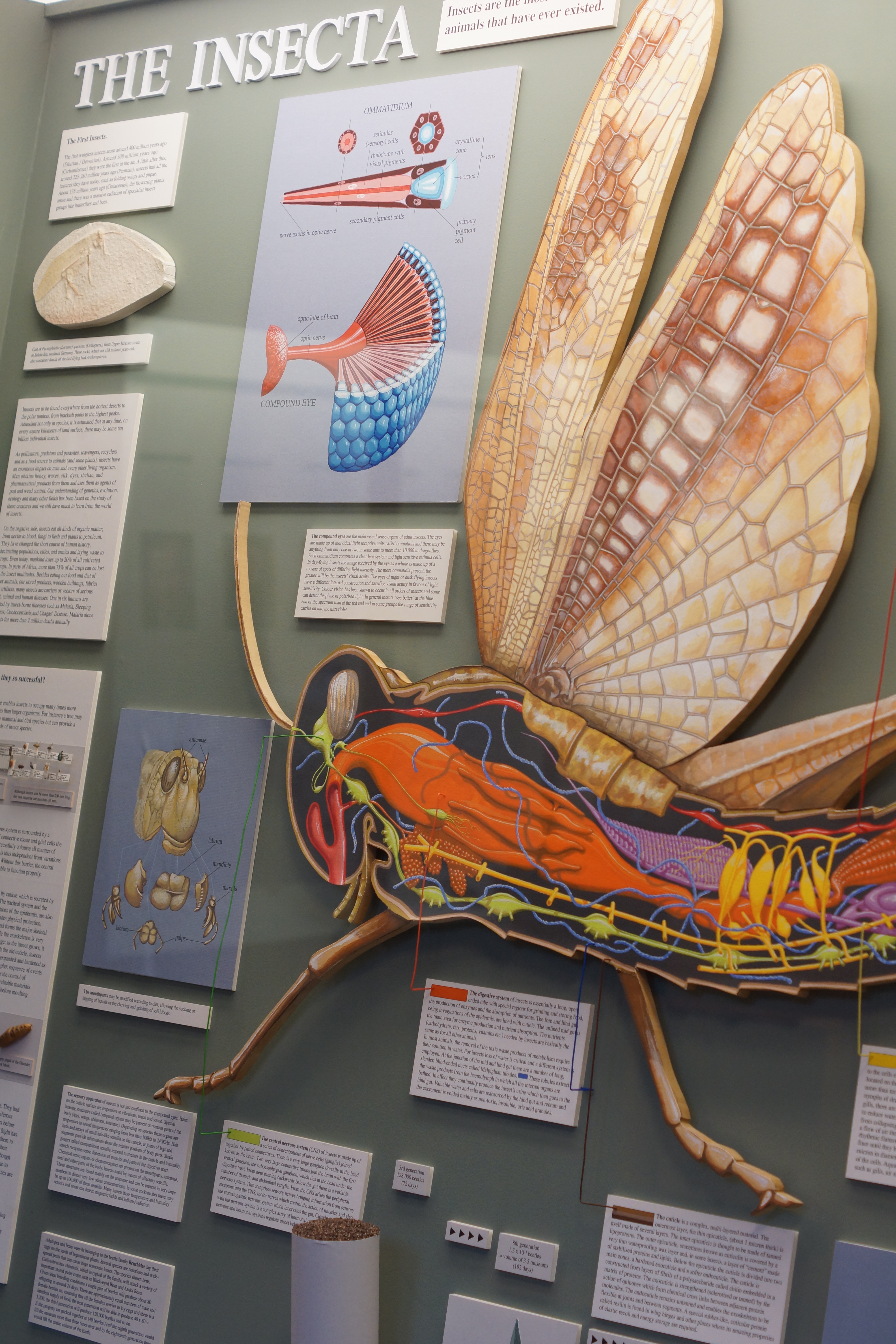
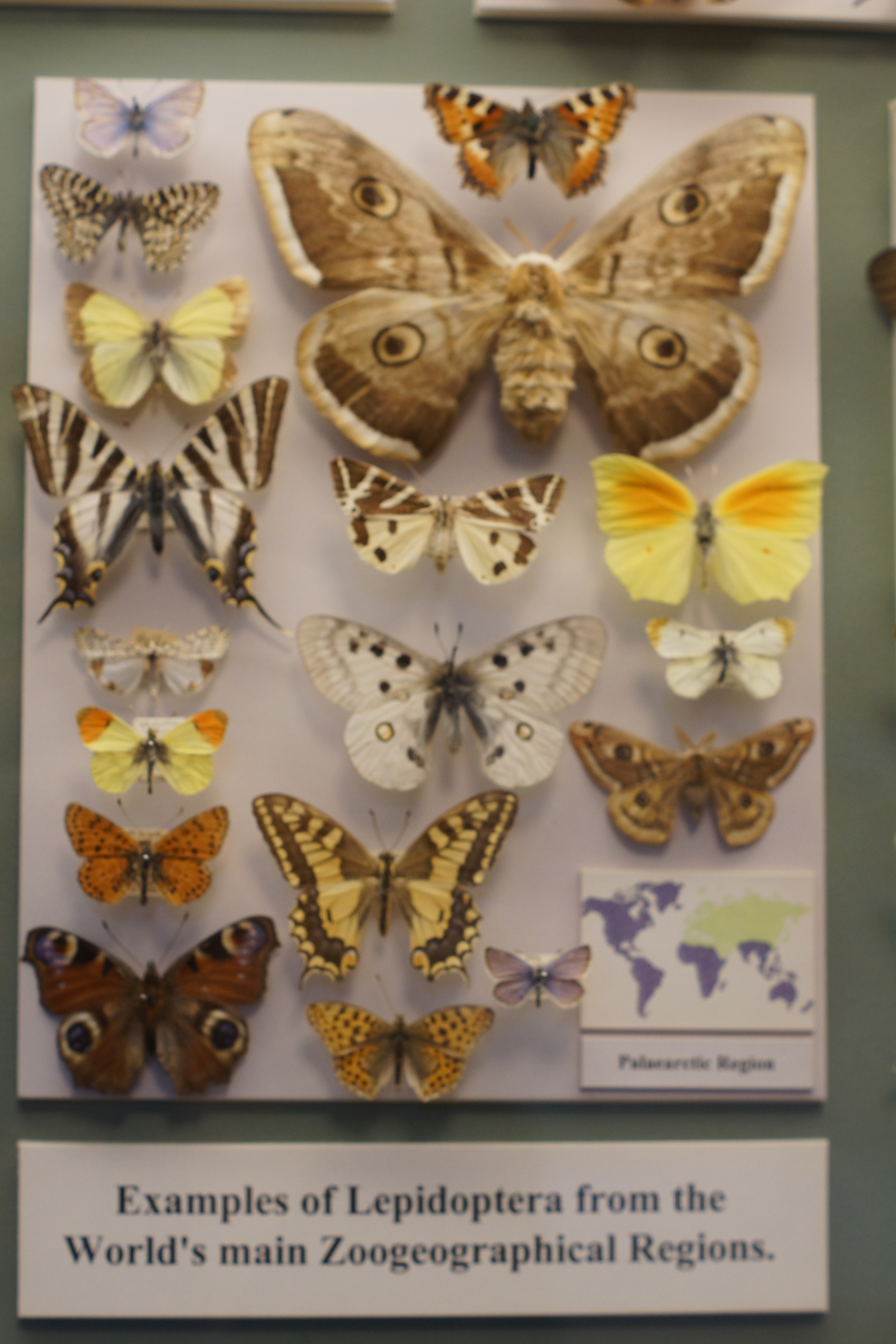
Next stop was the same building, but this time it was all about the Natural History collection in Oxford. This is the right place to learn about Butterflies:

2607_0501 2607_0507

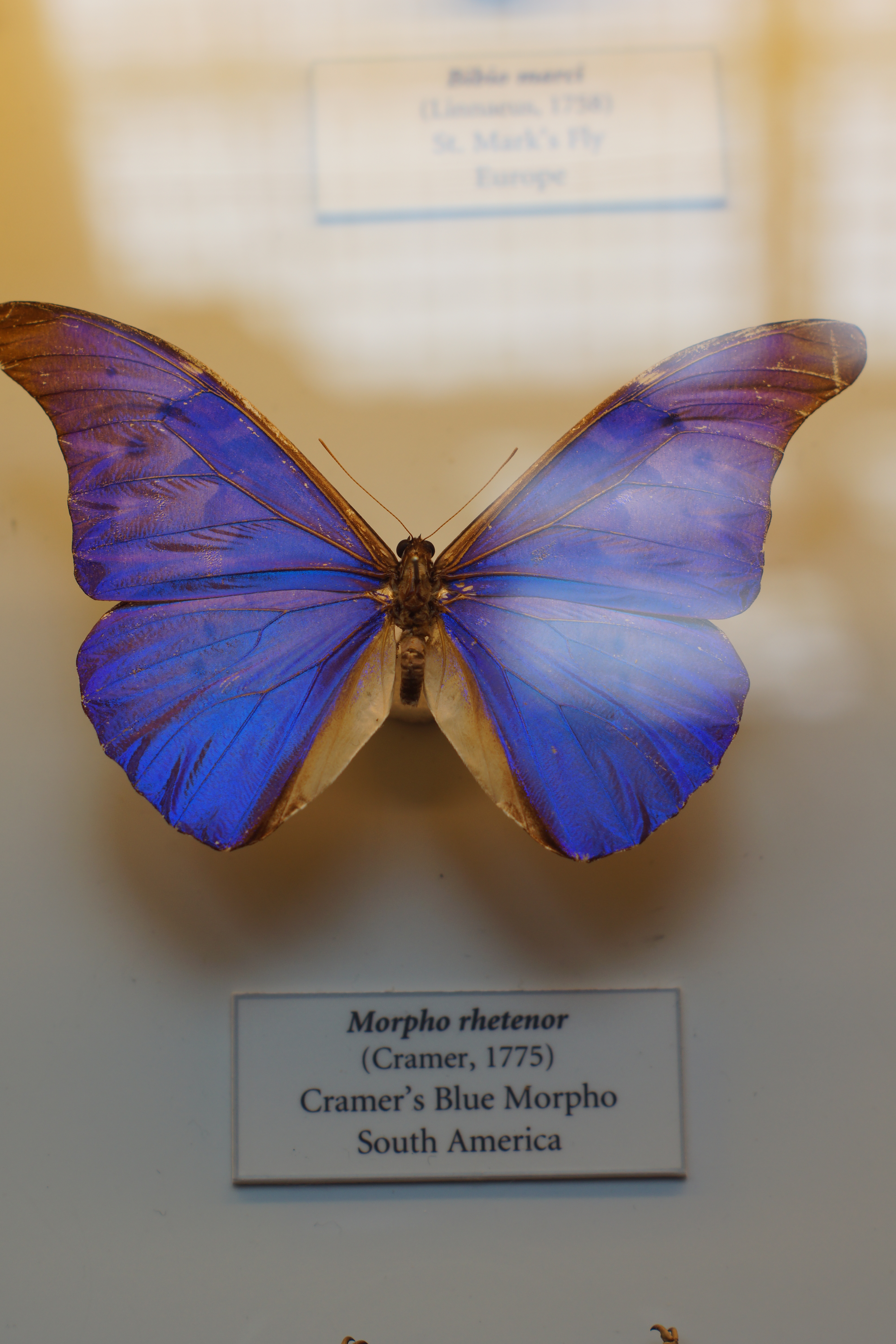
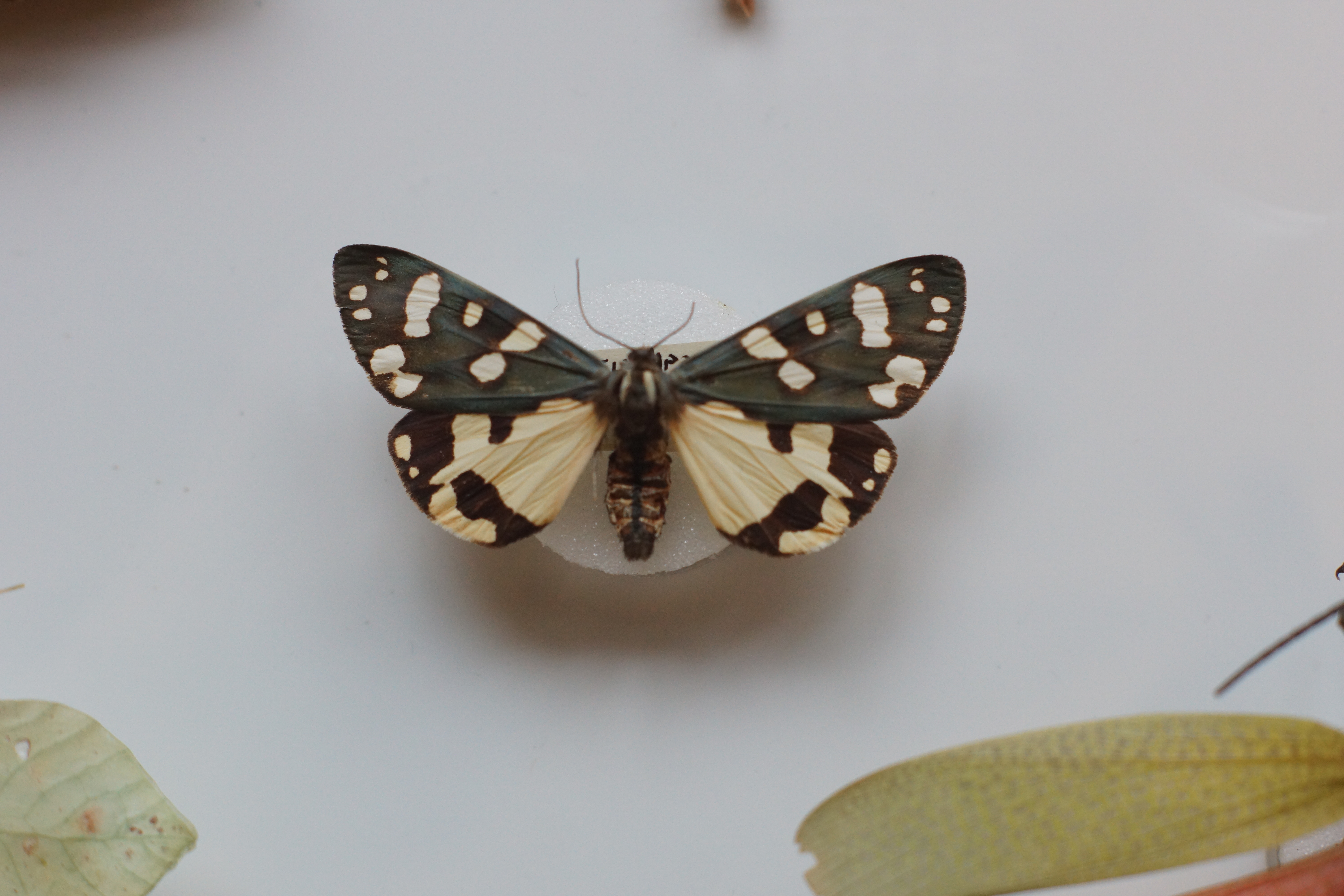
Butterflies are flying insects with two pairs of scaly wings and two segmented, clubbed antennae. Like all insects, they have a three-part body (head, thorax and abdomen), 3 pairs of jointed legs, compound eyes, and a segmented exoskeleton.

2607_0526

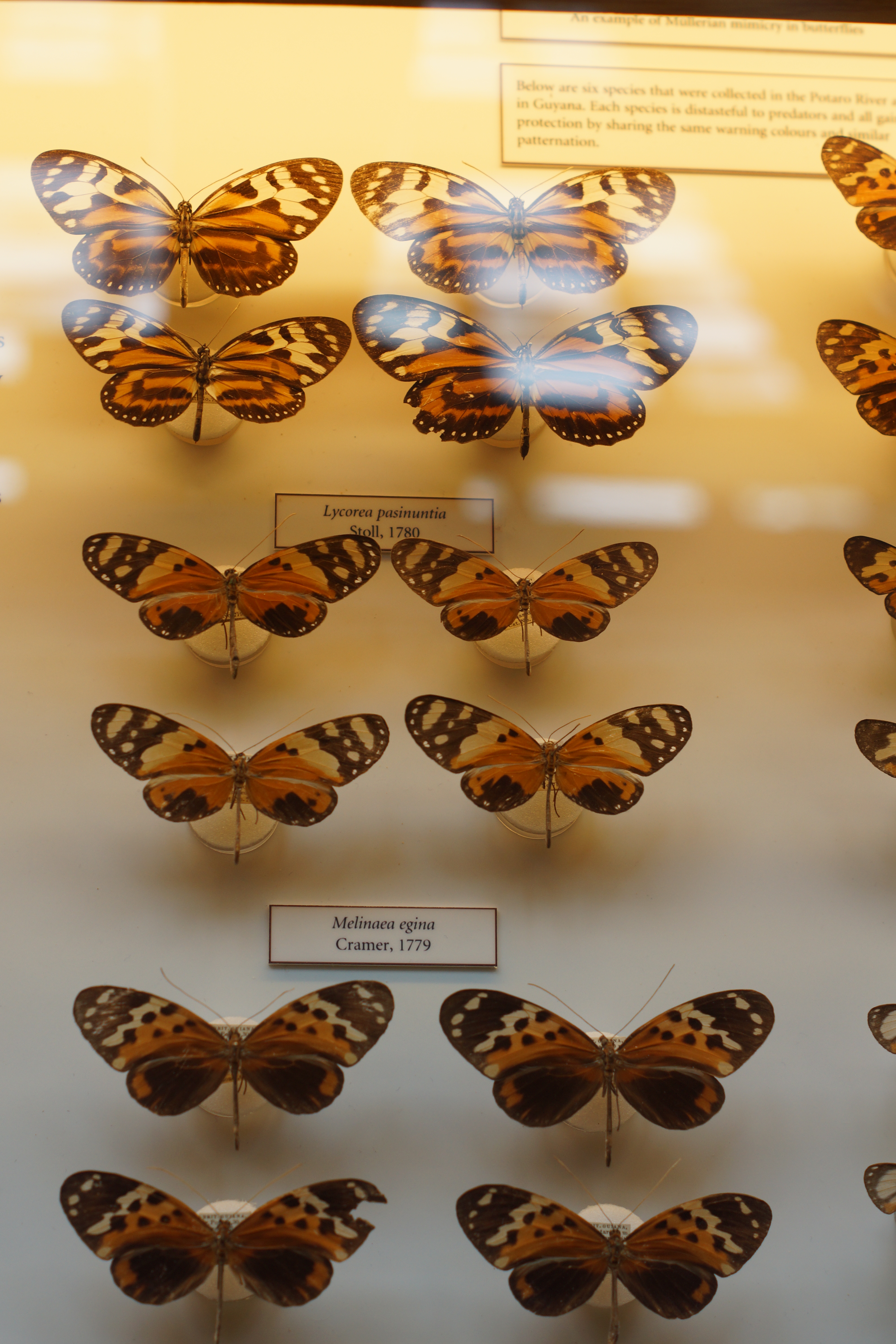
We learned about how the wings are constructed, how the camouflage of a butterfly works and about the was some species disguise themselves as other less tasty specimens to survive.

2607_0510 2607_0512

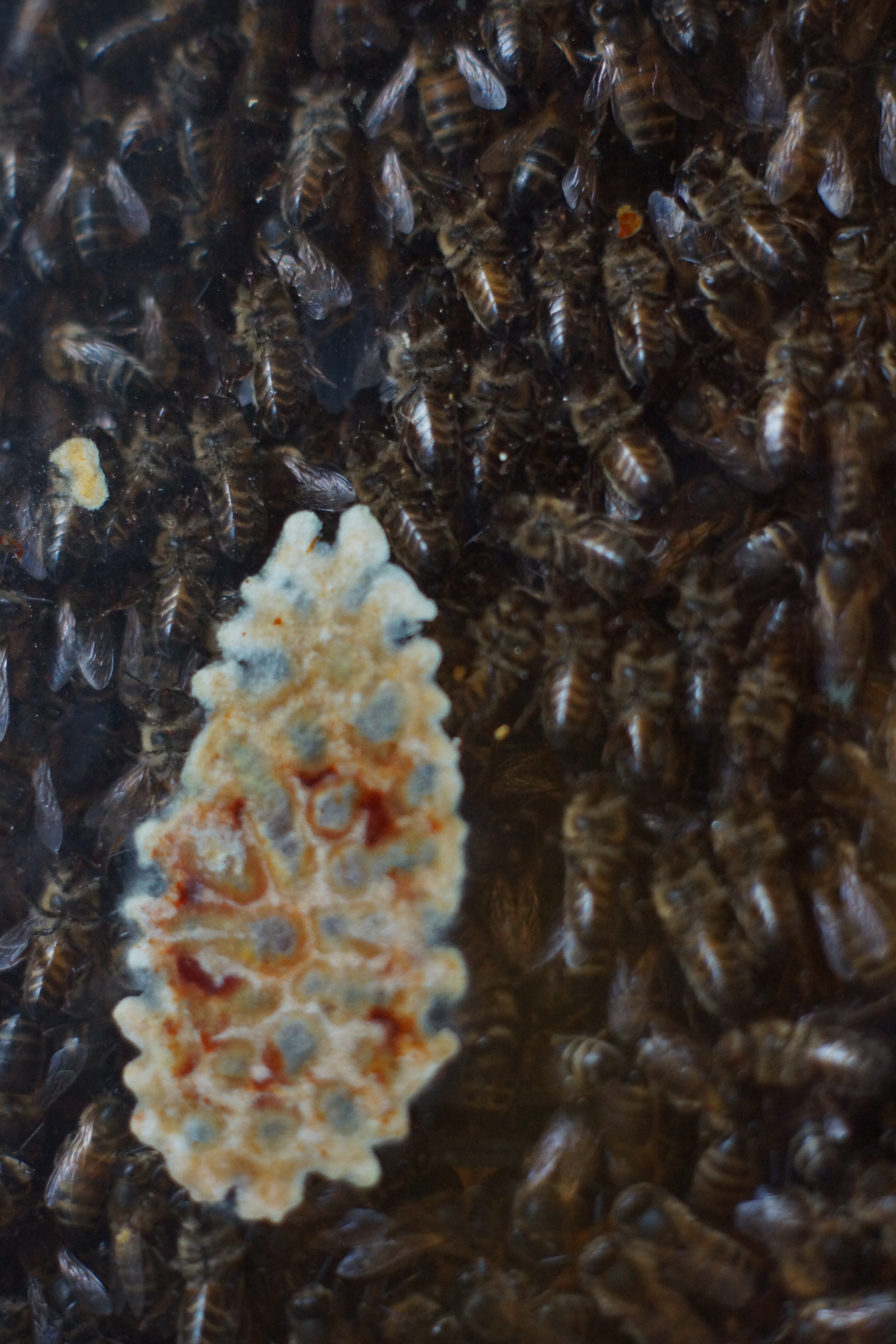
And what’s natural history with a live bee hive to look at and watch…. 🙂

2607_0529

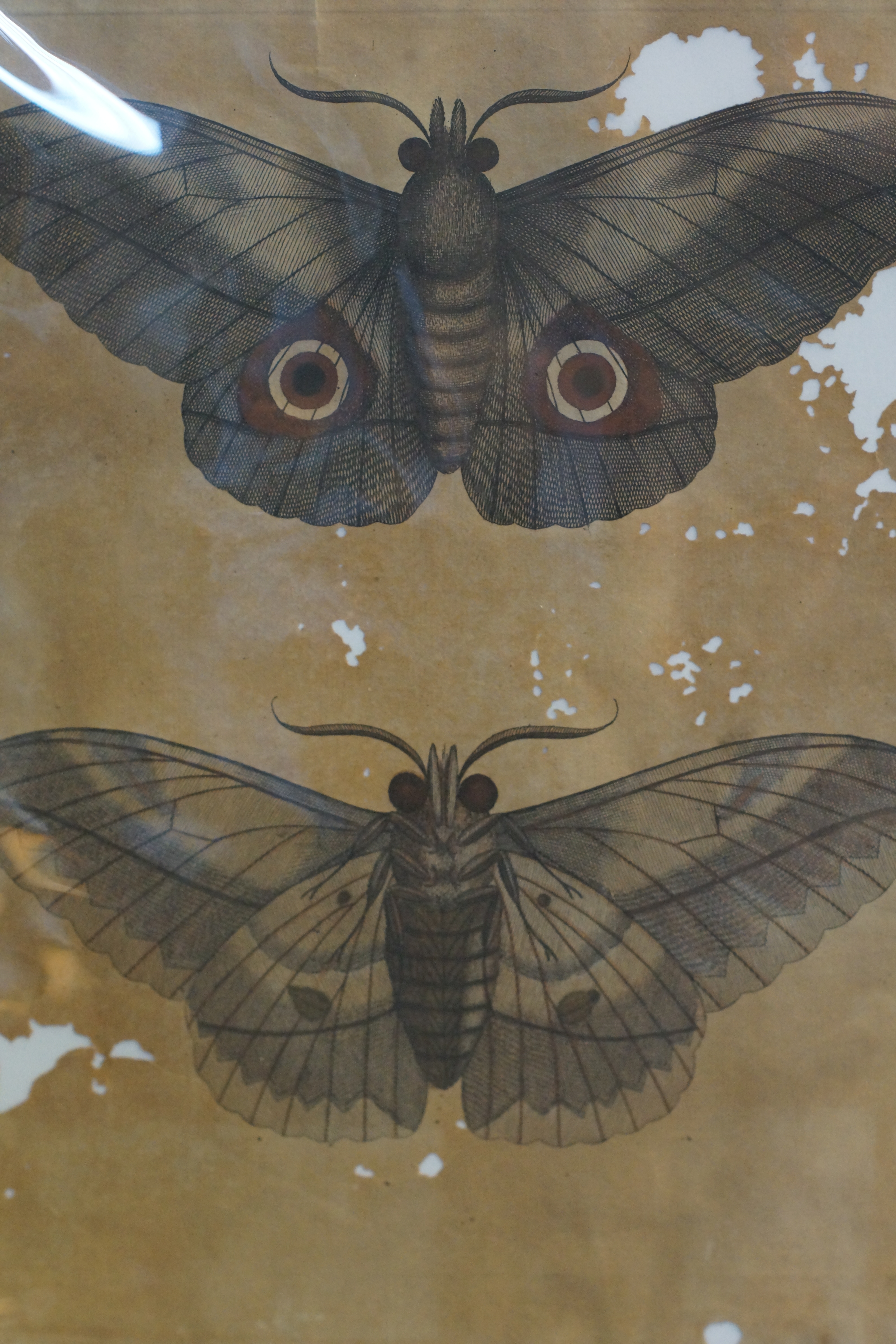
we also found examples of the useage of botanical illustration. Including a very old Asian parchment depicting a bird winged butterfly from southeast Asia…. ooo!

2607_0508 2607_0514

Alessandra 

inspired by the artist Alessandra Marie who works only in coffee and ink with gold leaf detail. I have done my own economy version with coffee, tea, Indian ink and metallic pen.