EXHIBITIONS AND INSTALLATION ADVICE FOR STAFF AND STUDENTS(Sources MMU.ac.uk)
RESPONSIBILITIES
All persons who use the facilities and resources have a duty to take reasonable care to ensure that they do not endanger themselves or anyone else who may be affected by their acts or omissions. They must co-operate with the University or College on health and safety and not interfere or misuse anything provided for their health, safety and welfare.
The health and safety of students and their exhibitions is primarily the responsibility of the member of academic staff timetabled to be responsible for their teaching and learning or project work. To this end the member of academic staff should ensure in conjunction with the student owner of the exhibition that it meets the minimum standards and is inspected and tested in accordance with the requirements in the health and safety documents.
Full details of duties and responsibilities are normally in the University or College Health and Safety Policy. This should be available on request from student services or outlined in your college enrolling booklet.
Basic things to consider are:
GENERAL HAZARDS
Exhibits and displays must be secure in order to prevent them falling and injuring persons or falling and obstructing escape routes if stumbled into.
Where loads are suspended or involve the use of lifting equipment an inspection and test by Estate Planning Services is required as part of the commissioning of the exhibit. Where a structure is created and its integrity is by means of welds or other joints the failure of which could cause injury these must be inspected prior to commissioning by a suitably qualified person.
Cool and hot surfaces and sharp objects should be guarded (possibly by erection of a barrier) this is especially important to protect visually impaired persons and children.
Where stroboscopic lights are in use a sign to this effect must be prominently displayed at the entrance door.
Where lasers are in use HSE guidance ‘The Use of Lasers for Display Purposes’ must be followed.
Estate Planning Services must inspect exhibitions with moving parts such as robots or machines before commissioning. Contact your tutor to arrange this. When designing such exhibits you must prevent access to dangerous parts. Use the following hierarchy of preferred guarding methods in your design: fixed guard, fixed distance guard such as a barrier of sufficient height, interlocking guard, automatic guard, trip device, adjustable guard, self adjusting guard, two handed control device.
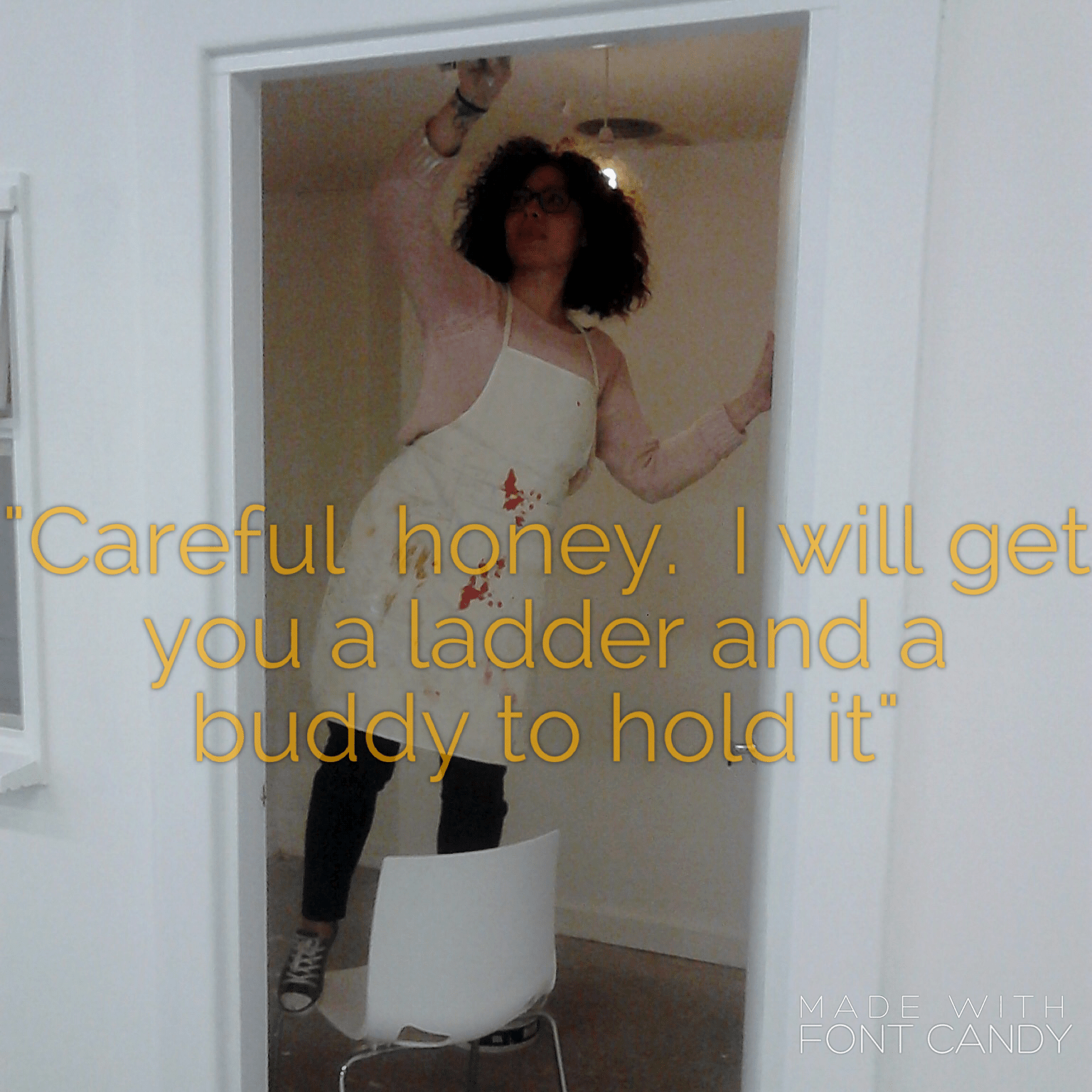
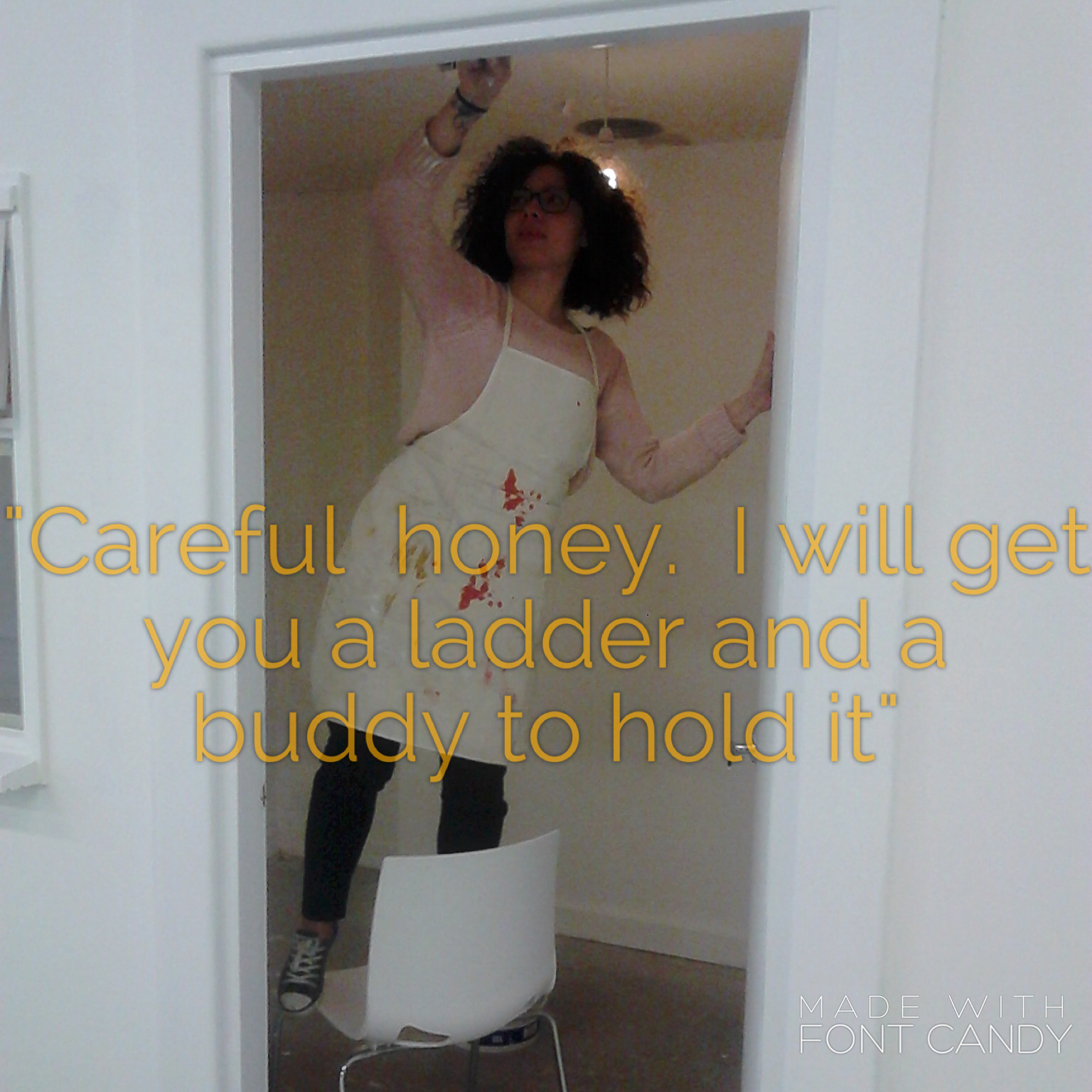
Exhibitions from which people may fall to the ground or into a tank (of water for example) must be guarded to prevent falls. Handrails are required on stairs and on platforms. On platforms and stairs with open sides they should consist of two robust guard rails, the top one being at least 1100mm above the surface from which it is possible to fall.
Exhibitions which involve entry into confined spaces such as a tank or into a space where there may be a lack of oxygen are prohibited unless designed after consultation with the Health and Safety Unit.
No modifications or interference with the fabric structure or finishes of any part of the building or its fittings shall be carried out by staff, students or contractors without first obtaining permission from Estate Planning Services.
Access to first aid must be such that if a person becomes ill or injured they can be given first aid within a reasonable time. A green and white first aid poster should be displayed to assist in locating the nearest available first aider.
ELECTRICAL SAFETY
Faulty wiring or appliances are dangerous and potentially lethal.
Wiring supplying socket outlets and the socket outlets themselves are only to be worked upon by staff or contractors who have the permission of Estate Planning Services.
This does not of course prevent persons from plugging/unplugging or switching appliances on or off at the socket.
Electrical supplies to exhibitions must be capable of being switched off or unplugged during periods when a building is unattended.
Electrical appliances used in exhibitions, whether proprietary or self constructed must be tested for electrical safety and labelled accordingly before use.
Always fully unwind an extension cable when using it to supply appliances rated at 1000w or more, this is to avoid overheating.
FIRE SAFETY
In the UK buildings are compartmentalised to prevent the spread of fire and smoke. There are maximum travel distances to protected areas and the fabric of buildings is resistant to or protected from combustion.
The creation of a display comprising large amounts of paper, textiles or flimsy material particularly in circulation areas such as lobbies and corridors can cause fire to spread rapidly and negate the advantages of suitable wall and ceiling linings.
In exhibition spaces where there are no rooms opening onto the space or where all rooms opening onto the space have an alternative means of escape and do not need to pass through the exhibition space to escape the risk is lower. It is acceptable to display high risk items in such a space.
Where rooms open onto exhibition spaces, vision panels in the doors or an automatic fire detection and alarm system in the display area is required.
Risks are increased if the display or exhibition will be attended by a large number of people (>120), if alcohol is available or if a large number of people need to escape through the exhibition area. In such cases these guidelines may not reduce risk sufficiently. Please consult the Health and Safety Unit in such cases.
“5.3 Escape from Exhibition Areas Where more than 60 persons will attend at any one time there must be more than one exit door. Exit doors must have a sign which is either self illuminated or illuminated by a nearby light. Exit signs or route signs must be visible from all points in the room. Where exhibition areas are large or form part of an escape route they may need emergency lighting to illuminate exit doors or routes. Corridors through exhibition areas should not normally be less than 800mm wide and where possible should not be convoluted.” (MMU.ac.org)
If in any doubt contact you University or College health and safety advocate. Better to be safe than sorry.


 Oak Tree and Stars by BlueFalcon1983